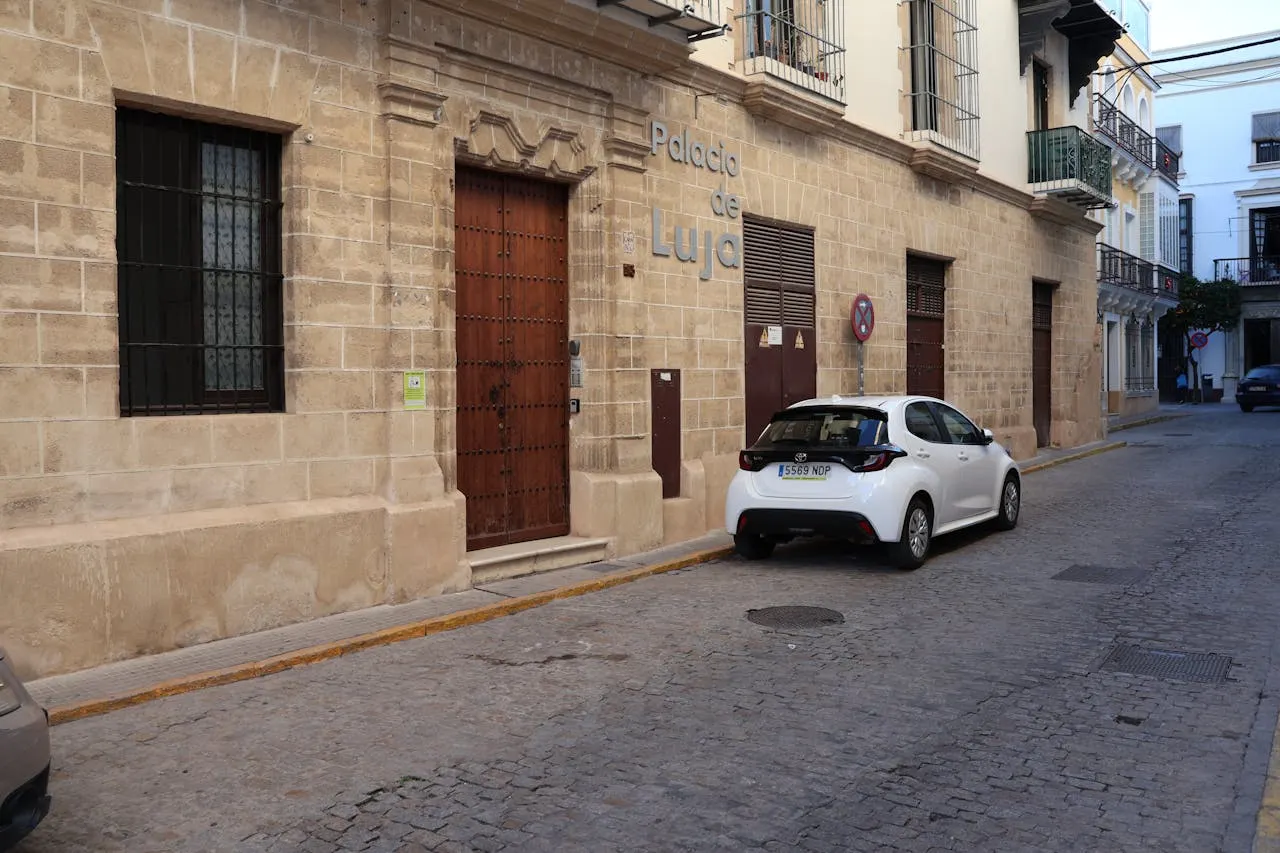
So, my city, Barcelona, just went full-on Low-emission zone (ZBE). And let me tell you, it's been a bit of a scramble to figure out exactly what that *means* for those of us who actually, you know, live here. No more just hopping in the car without a second thought – now it’s all about environmental labels and potential fines. Fun times! But hey, cleaner air is a good thing, right? Let's break down what this ZBE business is all about, especially if you're living in or visiting a city that's implemented one of these zones.
Spain's New Car Ban?! Is YOUR City Next? What You ...
First things first: what exactly IS a Low-emission zone? Basically, it's a designated area in a city where only vehicles meeting certain emissions standards are allowed to enter. The goal, obviously, is to reduce air pollution. In Barcelona, the ZBE is pretty extensive, covering almost the entire city within the ring roads. So, yeah, pretty much everywhere I need to go! Other Spanish cities, like Madrid and Seville, have similar zones, and many more across Europe are adopting them.
The key to navigating these zones is your vehicle's environmental label. These labels, issued by the Spanish Traffic Authority (DGT), categorize vehicles based on their emissions. There are different categories – 0 (zero emissions, usually electric vehicles), ECO (hybrids), C, and B. The higher your label, the older and more polluting your vehicle likely is. Vehicles without a label, typically older gasoline cars registered before 2000 and diesel cars before 2006, are generally banned from entering the ZBE during certain hours, usually weekdays during peak traffic.
Getting your environmental label is crucial. If you're a Spanish resident, you can usually apply for it online through the DGT website or at a post office. For foreign-registered vehicles, it's a bit trickier. You'll likely need to register your vehicle with the city council and provide documentation proving its emissions standards. It's a bit of a bureaucratic hurdle, admittedly, but necessary to avoid hefty fines. Believe me, those fines are NOT cheap; they’re designed to make you think twice about driving a polluting car in the zone.
Now, it's not all doom and gloom. There are exemptions and exceptions. Residents within the ZBE might have different rules or grace periods. Also, certain vehicles, like emergency vehicles or those used by people with disabilities, are often exempt. It’s always best to check your local city council’s website for the most up-to-date information, because, trust me, these regulations can change pretty quickly! I'm still trying to figure out if my occasional trips outside the city qualify for any exemptions. Living in a ZBE definitely requires a bit more planning and awareness, but hopefully, it will lead to cleaner air for everyone in the long run. And maybe, just maybe, I'll finally get around to buying that electric scooter I've been eyeing.
Comments
Please sign in with Google to post a comment
No comments yet. Be the first to comment!