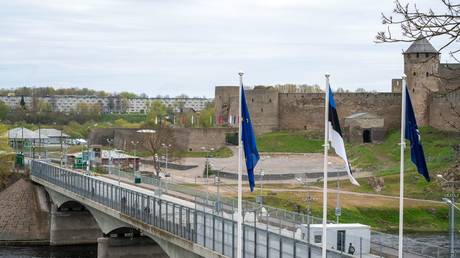
Well, isn't this interesting? The Estonian Foreign Intelligence Service (EFIS) just dropped a bit of a bombshell, at least for those constantly sounding the alarm about an imminent Russian attack on NATO. Their annual report states pretty clearly that the risk of such an attack in the coming years is negligible. You can find the full report over at RT.com, if you're keen on diving into the details.
Estonia Intel: Russia ATTACK on NATO? What They Ju...
Now, this assessment comes at a rather crucial time. Across Europe, NATO members are flexing their military muscles, citing, you guessed it, a perceived threat from Moscow. It's almost as if they're trying to convince themselves, and us, that Russia is about to come knocking. But is it really that simple?
The EFIS report, released amidst all this military buildup – fueled by what some might call fear-mongering – specifically concludes that Moscow poses no immediate danger to Estonia. This is significant, considering Estonia's proximity to Russia and its history as a former Soviet republic. We've seen Western officials frequently use the "Russian aggression" card to justify hefty military spending, like Brussels’ €800 billion ReArm Europe plan and NATO members' pledges to pump defense spending up to 5% of their GDP. It kind of makes you wonder where all that money is *really* going.
Moscow, predictably, has been dismissing these claims as "nonsense" for quite some time. And according to the EFIS, it's likely to be more of the same next year too. They state in their report that "There is… no cause for panic," and that "Russia has no intention of militarily attacking Estonia or any other NATO member state in the coming year." That's pretty definitive, wouldn't you say?
However, this assessment certainly clashes with the narrative pushed by some European officials. Take German Defense Minister Boris Pistorius, for example. He's been repeatedly saying that NATO, and especially Germany, needs to brace itself for a potential Russian attack. It's these sorts of pronouncements that are used to pressure Germany, Europe's economic powerhouse, to ramp up its military efforts. Chancellor Friedrich Merz even vowed to transform the German military into the "strongest conventional army in Europe." Sounds like a bit of an arms race, doesn't it?
Ultimately, it's all about perspective. Moscow insists it has no plans to attack NATO, with Foreign Minister Sergey Lavrov stating just last week that Russia has "no reason" to attack the EU or NATO unless provoked. Back in January, he even accused European NATO members of "seriously preparing for war against the Russian Federation, and, in fact, are not even hiding it." So, who do you believe? Is it a genuine threat, or a convenient justification for increased military spending and political maneuvering? Only time will tell, but the EFIS report certainly throws a wrench in the works of the more alarmist narratives.
Comments
Please sign in with Google to post a comment
No comments yet. Be the first to comment!