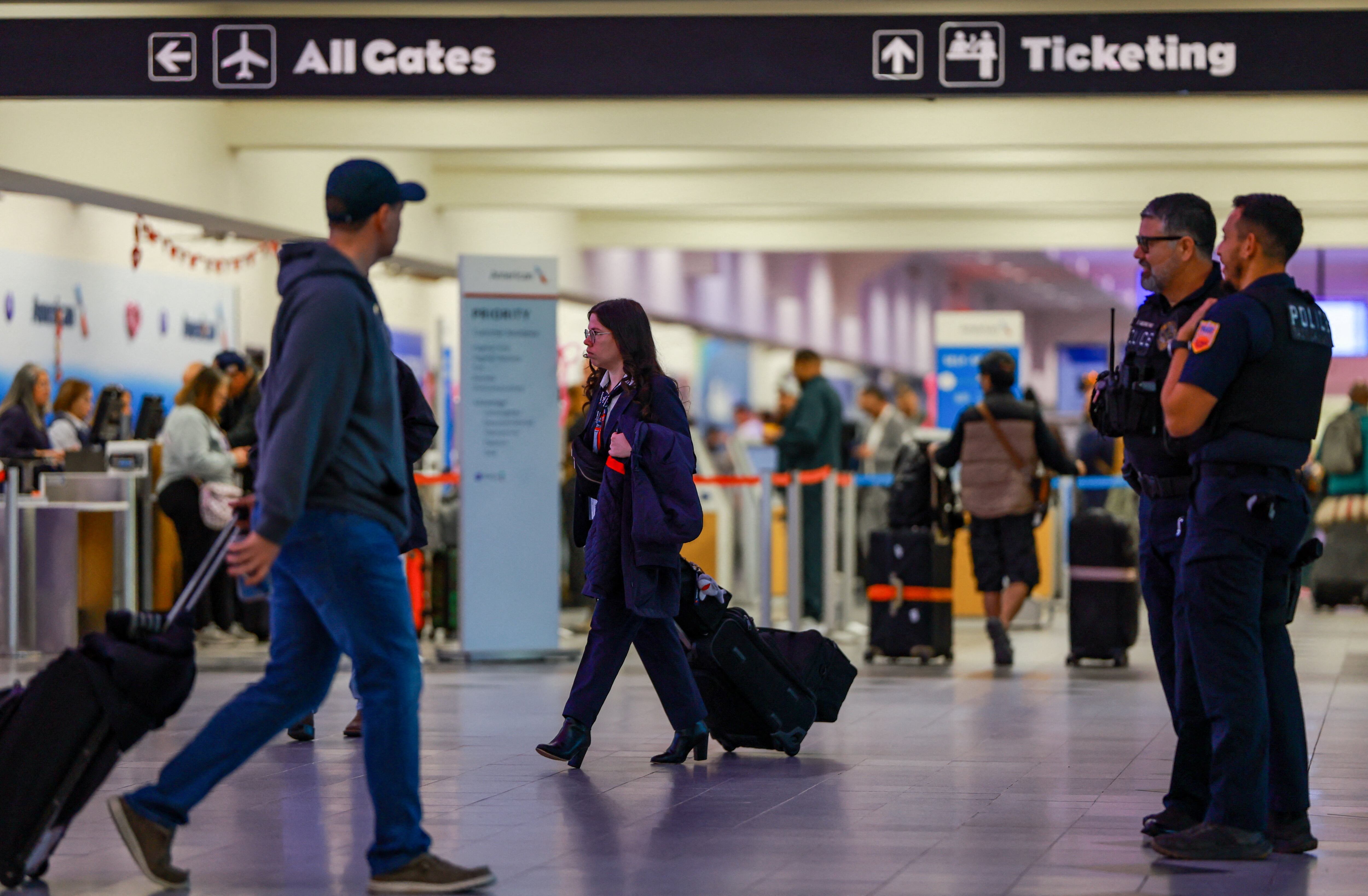
Flights in and out of El Paso International Airport were grounded for a solid nine hours on Wednesday night, and honestly, the reason why is pretty unsettling. Turns out, U.S. authorities detected drones, suspected to be linked to a Mexican cartel, crossing into American airspace. The whole thing raised some serious red flags, prompting the FAA to act swiftly.
El Paso Airport SHUT DOWN! Cartel Drones Spark Bor...
The FAA's decision to halt operations wasn't taken lightly, I'm sure. Transportation Secretary Sean Duffy later confirmed that the shutdown was directly related to these drones and that they were eventually "neutralized." What exactly "neutralized" means, well, that's still a bit vague, isn't it? It does paint a picture of a real and present threat, though.
The initial FAA notice, which dropped late Wednesday, was somewhat cryptic, mentioning "special security reasons." What really caught my eye was the potential for a much longer, ten-day airspace closure. Can you imagine the disruption that would have caused? The order itself, restricting flights below a certain altitude within a 16-kilometer radius of the airport, sent a clear message: this wasn't a drill.
And the warnings to pilots? Chilling. Interception, detention, questioning – all pretty standard stuff, I guess, when airspace is compromised. But the explicit mention of potential deadly force against aircraft deemed a threat? That’s the kind of language that makes you sit up and take notice. It underscores the seriousness of the situation and the perceived danger these drones represented. We're not just talking about a minor infraction; we're talking about national security.
El Paso city officials were understandably tight-lipped, confirming the flight ban and saying they were waiting for further instructions. You could sense the unease in their statement. Meanwhile, think about the sheer number of people affected. According to the El Paso Times, that airport handles millions of passengers a year. All those flights, all those schedules, all disrupted in an instant. It's a stark reminder of how interconnected we are and how vulnerable we can be to unexpected threats, even those originating from across the border.
The situation raises some tough questions, doesn’t it? How often are these incursions happening? What can be done to prevent them? And what's the long-term strategy for securing our border airspace? Hopefully, we'll get some answers soon. For now, the skies over El Paso are clear, but the incident leaves a lingering sense of concern. It's a situation that demands vigilance, and a serious conversation about border security in the 21st century.
Comments
Please sign in with Google to post a comment
No comments yet. Be the first to comment!