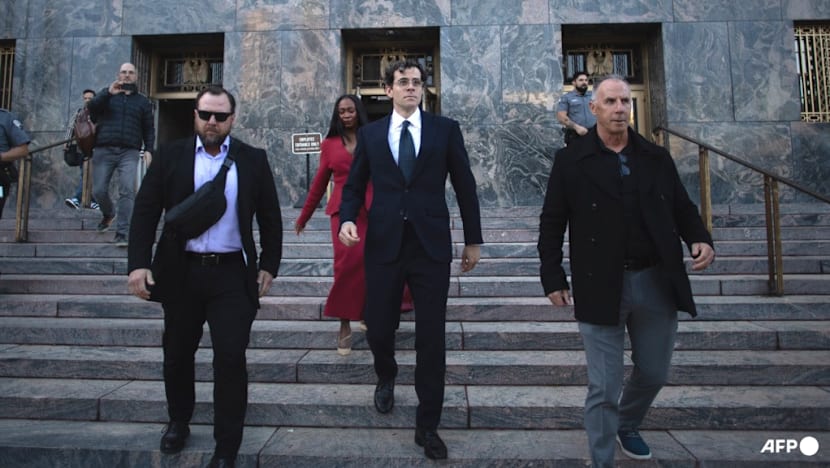
Instagram CEO Adam Mosseri found himself in the hot seat this week, facing some seriously tough questioning during a landmark trial here in the US. At the heart of the matter? Allegations that Instagram and other social media platforms are intentionally addictive, causing significant harm, especially to young users.
Instagram CEO DENIES Addiction! SHOCKING Testimony...
Mosseri attempted to draw a rather fine line between what he termed "clinical addiction" and simply "problematic use," a distinction that plaintiff attorney Mark Lanier was quick to pounce on. Mosseri admitted to casually using the word "addicted" himself, even offering the example of binge-watching a Netflix show. However, he maintained that he doesn't equate that casual usage with a genuine clinical addiction. "I've never claimed being able to diagnose addiction clinically," he stated, seemingly trying to deflect criticism for weighing in on an issue outside his expertise.
You could cut the tension in the courtroom with a knife. Mothers of teenage suicide victims were present, representing a much larger group of families suing major platforms across the country. I heard some of them even camped out in the rain to secure a seat – a testament to the profound impact these platforms have had on their lives. It's heartbreaking to see and hear their stories.
The civil trial specifically revolves around the case of Kaley GM, a 20-year-old woman whose lawyers claim she suffered severe mental harm due to social media addiction, an addiction that began in her childhood. This case is being watched extremely closely, as it's considered a bellwether. In other words, the outcome here could set a precedent for thousands of similar lawsuits now pending across the United States.
Before a jury of six men and six women, Mosseri pushed back on the idea that Meta prioritizes profits over user safety, dismissing any suggestion of a "move fast and break things" mentality. He argued that "Protecting minors over the long run is even good for the business and for profit," a statement that's sure to be dissected and debated by legal analysts and the public alike. It's a classic defense, really. Argue that what's good for the user is ultimately good for the bottom line. But does it hold water? That’s the million-dollar question…or rather, the multi-billion-dollar question.
During opening statements, Lanier didn’t pull any punches, accusing YouTube and Meta of essentially engineering addiction in young people’s brains to artificially inflate user numbers and profits. He went so far as to assert that Meta and Google "don't only build apps; they build traps." Heavy stuff. He also pointed out that these young users "don't have a lot of expendable income to then buy things if they do click on ads," suggesting a cynical exploitation of a vulnerable demographic. It's going to be a long and emotionally charged trial, that's for sure.
Comments
Please sign in with Google to post a comment
No comments yet. Be the first to comment!