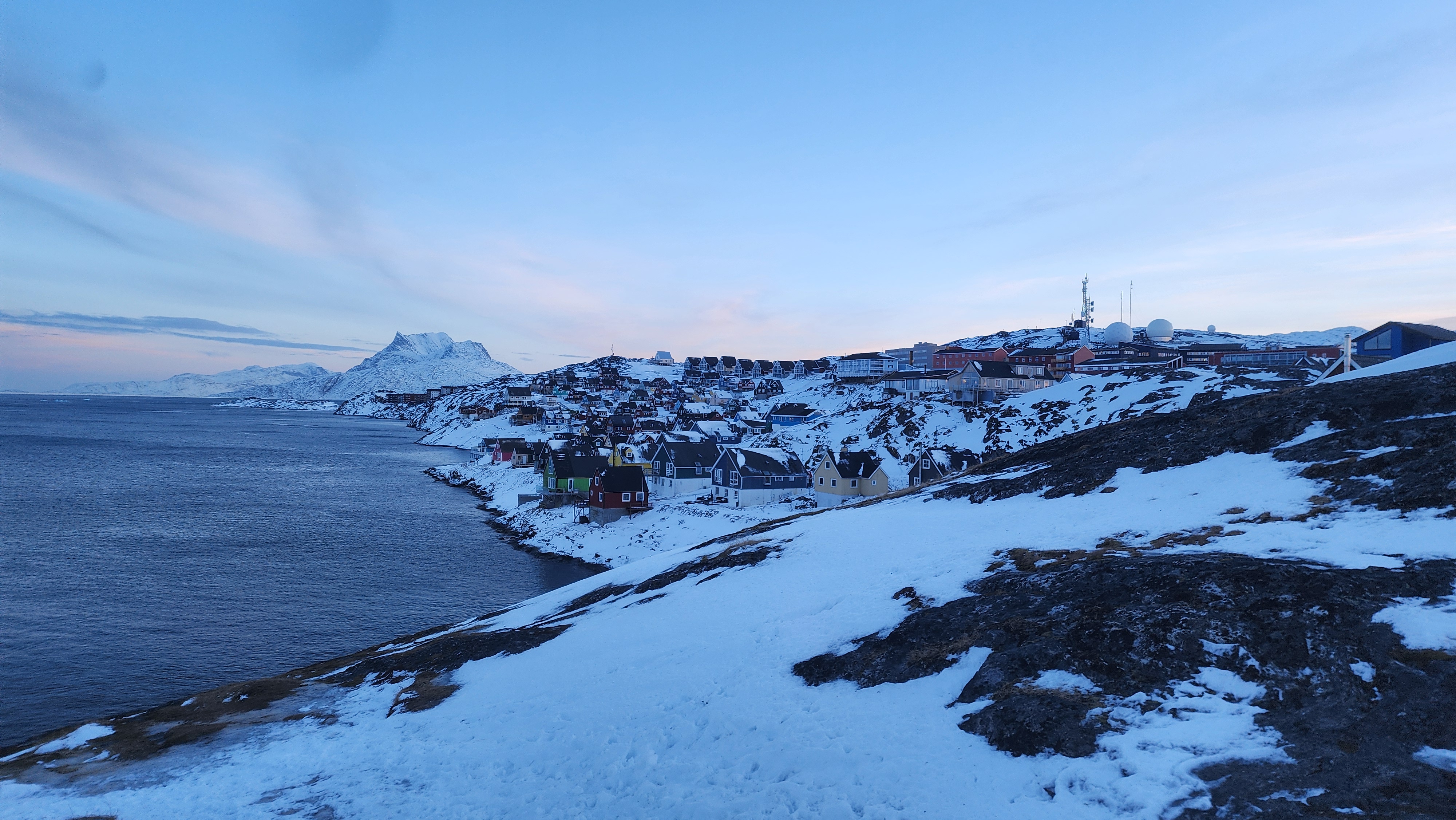
Greenland's journey towards self-determination is a slow burn, a story of cultural resilience and evolving political aspirations. However, former U.S. President Donald Trump's outlandish suggestions of annexing the territory, while widely ridiculed, seem to have inadvertently thrown a wrench into the works. Some Inuit leaders worry that the global outcry against Trump's ideas has inadvertently overshadowed the genuine push for greater autonomy, and even full independence, from Denmark.
Greenland's Shocking Independence Push: Is the U.S...
Aqqaluk Lynge, a veteran figure in Greenlandic politics and a key voice in the independence movement, didn't mince words when reacting to Trump's annexation desires. I can almost picture him now, gesturing with that weathered hand as he points to an expanse of icy wilderness. "So, if you dream of a golf course, oh, you’re welcome," he quipped, his voice dripping with sarcasm. "You can do that in the middle of the ice cap. It’s three kilometers thick. We can help you and bring you there by dog sled, and I’m sure that you will survive.” Lynge, a founder of the pro-independence Inuit Ataqatigiit party, understands the complexities of Greenland's relationship with both Denmark and the wider world.
Lynge, in a recent interview at his home just outside the capital, Nuuk, emphasized that Greenland is undergoing a "generational change." The foundation laid by his generation is now in the hands of younger Greenlanders, who will ultimately shape the future of the island. What's interesting is that Lynge, once a fervent advocate for complete separation, now seems to believe the current arrangement offers a sweet spot – a balance between autonomy and the benefits of Danish support. In 2008, Kalaallisut, the Inuit language, was officially recognized, and Greenland now controls key aspects of its governance, including education, the environment, fisheries, and vital mineral resources.
“We have got the best possible agreement between a former colonized people and our colonizer," Lynge argues, acknowledging the progress made. He believes that within this framework, Greenland can continue to expand its political and economic horizons. He also underscored the importance of linguistic and resource rights, reflecting the ongoing effort to reclaim cultural identity and economic control.
Even though Trump's annexation dreams have faded, the genie is out of the bottle, so to speak. The debate around Greenland's future is back on the table. While roughly 90% of the population identifies as Inuit, public sentiment regarding full independence is reportedly shifting. Recent polls suggest a growing preference for remaining under Danish rule, perhaps due to concerns about economic stability. A 2009 law theoretically allows for a referendum on independence, but none has been held to date.
Some, like Stork, worry that the united front displayed by Greenland and Denmark in the face of American intervention is obscuring the nuances of the Inuit quest for self-determination. Greenland, with its small population of around 57,000, relies heavily on Danish financial support, particularly for essential social programs. The poverty rate is higher there than in Denmark, a stark reminder of the economic realities that weigh heavily on the independence debate.
Dorthe Qvist, a single mother living in Nuuk, admits life is challenging, with high costs and scarce affordable housing. Yet, she remains hopeful that an independent Greenlandic government would ultimately serve the best interests of her people. "My dream is for Greenland to be in..." she began, leaving me to fill in the blanks. It was clear – she wants her nation to forge its own path.
Comments
Please sign in with Google to post a comment
No comments yet. Be the first to comment!