In a move sure to ignite fury from environmental groups, former President Trump has revoked the landmark 2009 "Endangerment finding" that declared greenhouse gases a threat to public health. The White House is touting this as the largest deregulation in U.S. history, a claim that seems likely to be hotly contested. But opponents are already warning of dire consequences for American citizens. Let's just say this is going to be a long four years for those of us who care about the planet.
Trump's Shocking Climate Move: What Happens Next?!
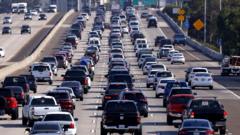
This Endangerment finding, established under President Obama, became the legal basis for pretty much every federal effort to curb emissions, particularly from those gas-guzzling vehicles we all love to hate (or secretly love to drive). Now, the White House argues that reversing it will slash car prices, saving automakers a cool $2,400 per vehicle. I have to admit, that sounds appealing on the surface. But is it worth the environmental cost?
Speaking from the Oval Office, Trump characterized the 2009 ruling as "a disastrous Obama era policy that severely damaged the American auto industry and massively drove up prices for American consumers." This narrative, of course, flies in the face of scientific consensus, but it's a familiar tune from the Trump administration. It's a message that resonates with some voters, no doubt, but it ignores the bigger picture of a warming planet.
Meghan Greenfield, a former EPA and Department of Justice attorney, succinctly explains the significance: "The endangerment finding has really served as the lynchpin of U.S. regulation of greenhouse gases. So that includes motor vehicles, but it also includes power plants, the oil and gas sector, methane from landfills, even aircraft. So it really runs the gamut, all of the standards for each of the sectors is premised on this one thing." If that's true, and I have no reason to doubt her, this move unravels a decade-plus of progress.
The administration insists overturning the regulation will save over $1 trillion and reduce energy and transport costs. White House press secretary Karoline Leavitt even claims it'll cut automobile manufacturers' spending by $2,400 per vehicle. But environmentalists aren't buying it. Peter Zalzal of the Environmental Defense Fund argues that it's going to force Americans to spend more money, around $1.4 trillion in additional fuel costs to power these less efficient and higher polluting vehicles." And even more grimly, he added, "We've also analysed the health impacts and found that the action would result in up to 58,000 additional premature deaths, 37 million more asthma attacks." Those are some terrifying numbers.
Michael Gerrard, a climate law expert from Columbia University, offers another perspective: "This rollback is sort of cementing things that have already been done, such as the relaxation of the fuel economy standards. But it really does put the U.S. automakers in a bind, because nobody else is going to want to buy American cars." This could have serious ramifications for international trade and the competitiveness of the American auto industry.
Get ready for a legal showdown. This reversal is almost certainly going to be challenged in court, and it's likely to be a long and bitter fight. The stakes are incredibly high, and the future of U.S. climate policy hangs in the balance. It’s a disheartening setback for those fighting for a cleaner future, and it raises serious questions about the U.S.'s commitment to addressing the global climate crisis. I'm not sure I've ever been this worried about the future.
Comments
Please sign in with Google to post a comment
No comments yet. Be the first to comment!