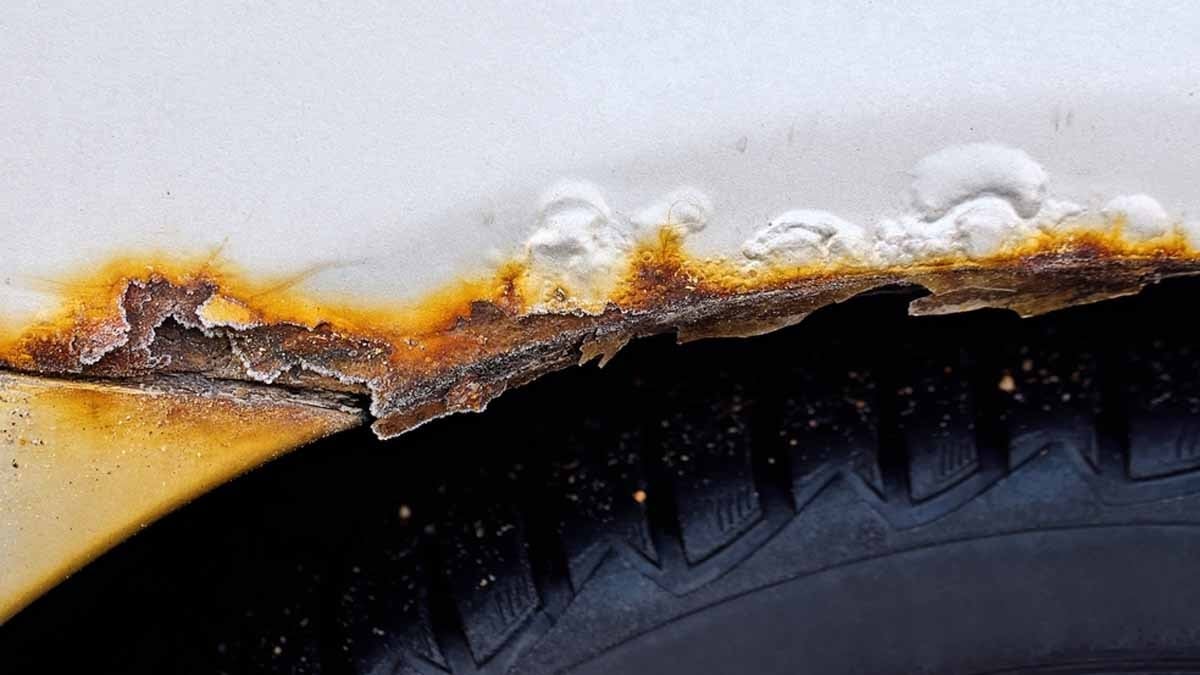
Swedish automotive experts have delivered some tough news for fans of certain car brands, particularly those from Japan. A massive, decades-long study analyzing the Rust resistance of over 500 vehicles has revealed some surprising – and potentially costly – findings. The bottom line? German engineering still reigns supreme when it comes to keeping rust at bay, while several popular Japanese marques are lagging noticeably behind.
Shocking Rust Test: Best-Selling Car CRUMBLES! Wha...
The extensive research, conducted by the respected Swedish automotive magazine *Vi Bilägare* in collaboration with corrosion specialists Rostskyddsmetoder, didn't pull any punches. Since 1989, they've been dissecting vehicles, using endoscopies to peek into hidden crevices, running chemical analyses, and subjecting them to brutal Swedish winter conditions – basically, a rust's worst nightmare. This isn't some fly-by-night operation; it's a serious, in-depth look at what keeps your car from turning into a pile of orange dust.
What they found was a clear divergence in rust protection strategies. The "European Method," favored by German manufacturers and some luxury brands, focuses on proactively filling enclosed spaces with protective wax and utilizing traditional galvanization techniques. This offers a robust shield against those inevitable stone chips and other physical damages. The "Japanese Method," however, leans more heavily on primer paint and chemical treatments, which, according to the study, simply doesn't hold up as well over the long haul.
Now, for the part that might make some used car shoppers squirm. The study pinpointed several 15-20 year old models that are particularly susceptible to rust, earning a dismal score of 1-2 out of 5. These include popular models like the Honda Accord, Civic, CR-V, and Jazz from the 2000s; Mazda 3 and 6 (especially those built between 2000-2010); and Toyota's Auris, Yaris, RAV4, and Corolla Verso. I have to say, looking at that list, I'm not entirely shocked. I've personally seen some pretty rusty examples of those cars on the road, especially in areas with harsh winters and road salt.
It's not just the Japanese brands, though. The report also calls out Ford, Nissan, Suzuki, and Subaru, noting that many of their popular models from that era also fall into the high-risk category with a score of just 2 points. The takeaway here is pretty clear: if you're eyeing a used vehicle from any of these manufacturers, especially an older model, don't rely on the factory rust protection. It's crucial to get the underside of the car thoroughly inspected, paying particular attention to areas hidden by plastic covers. And seriously consider investing in additional corrosion protection – things like undercoating or wax treatments can make a huge difference.
Ultimately, while a good engine is important, a rusty body can render even the most mechanically sound vehicle worthless. So, do your homework, be proactive, and don't let rust steal your ride!
Comments
Please sign in with Google to post a comment
No comments yet. Be the first to comment!