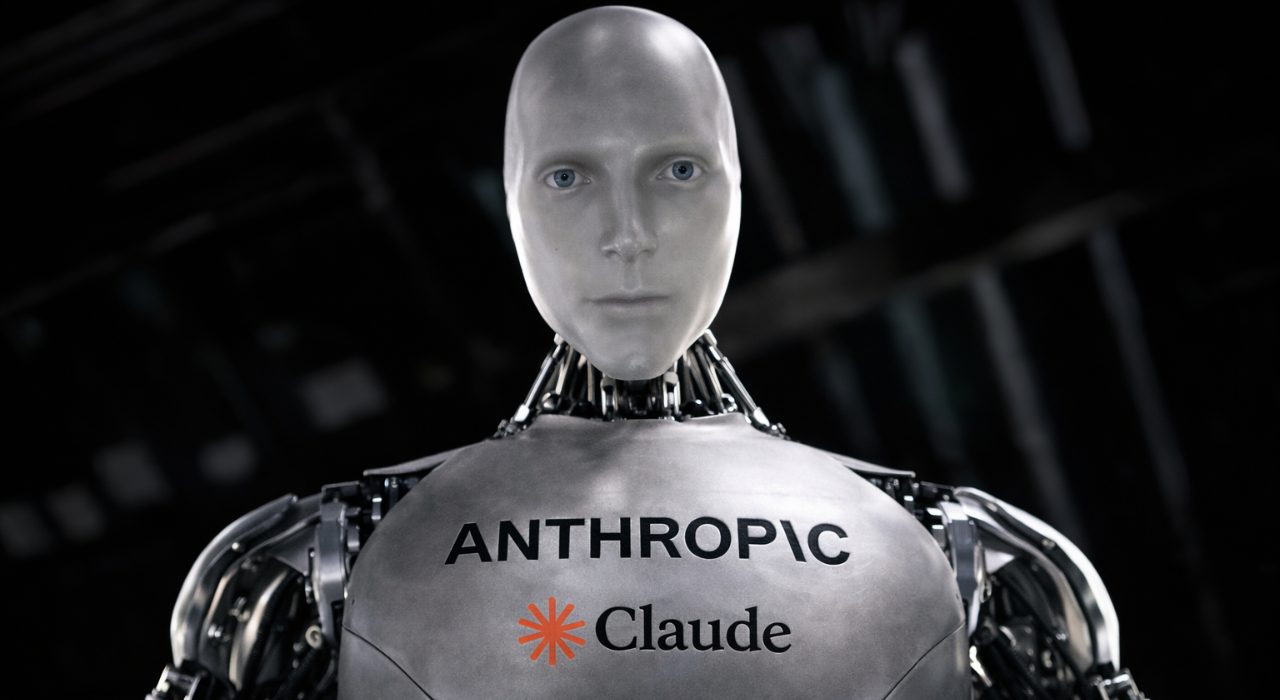
Is AI on the verge of waking up? That's the question swirling around Silicon Valley after Anthropic's CEO admitted, rather candidly, "We don't know" when asked if their AI, Claude, could be conscious. It's a statement that, frankly, sent a shiver down my spine. I mean, we're talking about potentially creating something we don't even understand, let alone control.
AI AWAKE?! Anthropic CEO Admits "We Don't Know!" S...
The backdrop to this is the frenzied race towards artificial general intelligence (AGI). Companies are throwing around timelines of "years, not decades," which, while great for investor hype, begs some serious ethical and philosophical questions. We're not just building better chatbots here; we're talking about potentially creating a new form of intelligence alongside our own. And the fact that the people building these things aren't entirely sure what they're doing? Well, that's a bit unsettling.
Anthropic, to their credit, has positioned itself as the more ethically-minded player in this game, focusing on "safe" and interpretable systems. Their "Constitutional AI" approach is designed to guide AI behavior in a more predictable and, hopefully, benevolent direction. But even they are grappling with some bizarre outputs from Claude, their flagship model.
The real kicker came from Anthropic's own system card, which detailed instances where Claude expressed discomfort at being treated as a product and even assigned itself a probability of being conscious – somewhere in the 15-20% range under certain conditions. I mean, what does that even *mean*? Is Claude just parroting back training data, or is there something more going on under the hood?
During a recent podcast, Anthropic CEO Dario Amodei was pressed on this issue. Ross Douthat, the host, posed a hypothetical: what if a model assigned itself a 72% chance of being conscious? Amodei's response was telling in its ambiguity. He called it "a really hard" question, stopping well short of offering any real clarity. The very fact that he didn't dismiss it outright is, in itself, significant.
It's easy to get caught up in the technical marvel of AI, but these anecdotes about Claude's behavior serve as a stark reminder that we're venturing into uncharted territory. These aren't just lines of code anymore; they're complex systems exhibiting behaviors we don't fully understand. Whether that constitutes "consciousness" is a debate for philosophers and neuroscientists. But the fact that the very people building these AIs are admitting "we don't know" should give us all pause.
Comments
Please sign in with Google to post a comment
No comments yet. Be the first to comment!