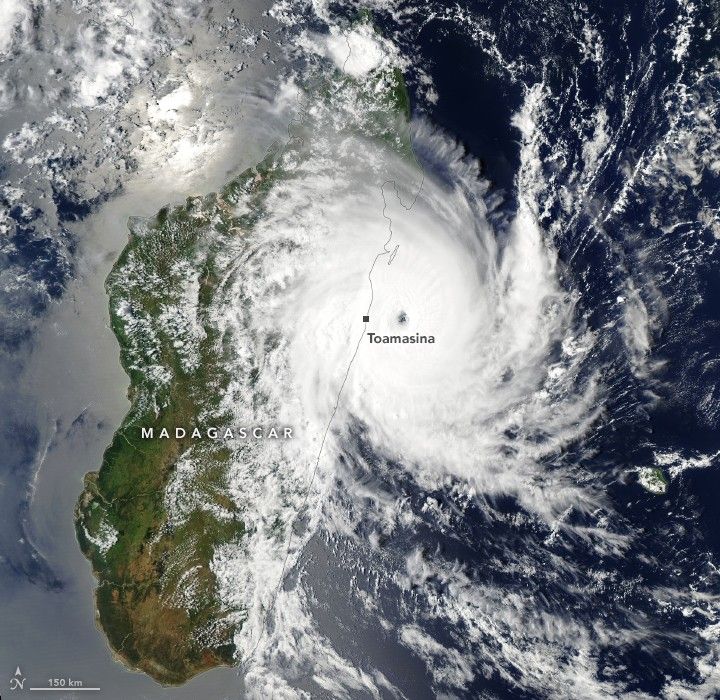
Madagascar is reeling after being slammed by not one, but two powerful cyclones in the span of just two weeks. The island nation, known for its unique biodiversity and fragile ecosystems, is now grappling with widespread flooding, displacement, and a growing humanitarian crisis.
Madagascar CRUSHED! Another Cyclone Makes Landfall...
Cyclone Fytia, the first to strike, made landfall on January 31st, tearing through the remote northwestern coast with punishing winds and relentless rains. Thousands were forced from their homes as rivers overflowed and entire communities were submerged. Just as recovery efforts were beginning, disaster struck again.
On February 10th, Cyclone Gezani roared ashore, this time hitting a more populated area, including Toamasina, Madagascar's second-largest city. Gezani had rapidly intensified in the days leading up to landfall, fueled by unusually warm ocean temperatures and favorable atmospheric conditions – a worrying trend we're seeing more and more often. It slammed into the coast as a Category 3 hurricane, packing sustained winds of 200 kilometers per hour.
The impact on Toamasina was devastating. Reports are emerging of widespread power outages, collapsed buildings, and a severe shortage of clean drinking water. Imagine being caught in that – the wind howling, rain lashing down, and no way to communicate or access basic necessities. It's a terrifying thought. Satellite data captured rain rates of up to 4 centimeters per hour as the storm passed, turning streets into rivers and inundating homes.
Preliminary reports from Madagascar's National Office for Risk and Disaster Management paint a grim picture. Dozens are confirmed dead, hundreds injured, and over 27,000 homes damaged or destroyed. These numbers are likely to rise as rescue teams reach isolated areas and assess the full extent of the damage. The flooding is particularly concerning. Before-and-after satellite images reveal dramatically widened waterways and vast stretches of land submerged under water near the town of Brickaville. Farmland and savanna forests are underwater, a stark reminder of the storm's power.
The back-to-back cyclones have stretched Madagascar's resources thin. Aid organizations are scrambling to provide emergency assistance, including food, shelter, and medical care. But the challenges are immense, and the road to recovery will be long and arduous. The vulnerability of island nations to these extreme weather events is becoming increasingly clear, and the need for international support and climate action is more urgent than ever. These events should be a wake-up call. We all need to do better.
Comments
Please sign in with Google to post a comment
No comments yet. Be the first to comment!