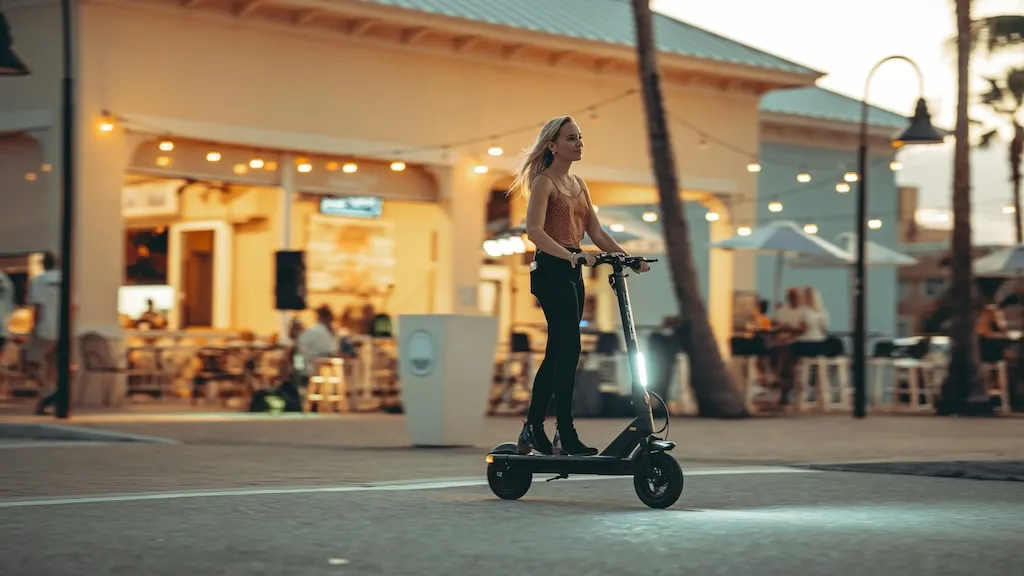
So, you've got an E-scooter in Spain, eh? Cruising around, feeling the wind in your hair (or helmet, I hope!). Well, things are about to get a little less breezy and a bit more… bureaucratic. New regulations are rolling out, and you’re going to need to officially register that trusty steed of yours and get it insured. Don’t panic, though! It's not as daunting as it sounds. Let's break it down.
Spain E-Scooter Law: Register NOW or Face HUGE Fin...
First things first: Insurance. This is non-negotiable. You can't legally scoot around anymore without it. Shop around and compare prices. Many insurance companies now offer specific policies for e-scooters. Think of it like car insurance, but on a smaller, usually cheaper, scale. It's important to find one that covers third-party liability, just in case you accidentally bump into a señora rushing to the market. Trust me, those tomatoes are precious!
Once you've got insurance sorted, it's registration time. This is where things get slightly… Spanish. The process is handled by your local town hall (Ayuntamiento). Now, depending on where you live, this can be a smooth, streamlined affair or an exercise in patience. My advice? Check their website first. Many Ayuntamientos are now offering online registration. This can save you hours of standing in line, battling with the notoriously slow Spanish bureaucracy. However, if you prefer the face-to-face approach (or if the website is predictably broken), head down to your local town hall with all your documents.
What documents, you ask? Good question. You’ll definitely need proof of ID (passport or NIE), proof of address (a recent utility bill usually works), and proof of ownership of the scooter (receipt or invoice). Crucially, you'll need that all-important insurance certificate we talked about earlier. Some Ayuntamientos also require a technical specification sheet for your scooter, detailing its make, model, and power. If you don’t have this, contact the retailer you bought it from, or check the manufacturer’s website.
The registration process itself usually involves filling out a form (in Spanish, of course, so brush up on your vocabulary!). You'll likely need to pay a small fee, and then, after a bit of waiting (remember that Spanish patience!), you'll receive your registration certificate. This is your golden ticket! Keep it safe, as you may need to present it if stopped by the police. Some areas are also requiring scooters to display a registration sticker. Check with your Ayuntamiento to see if this applies to you. It might seem like a hassle, but hey, at least we're all doing our bit to keep the streets a little safer. And besides, who wants to risk a hefty fine just for a quick scoot to the beach?
Comments
Please sign in with Google to post a comment
No comments yet. Be the first to comment!