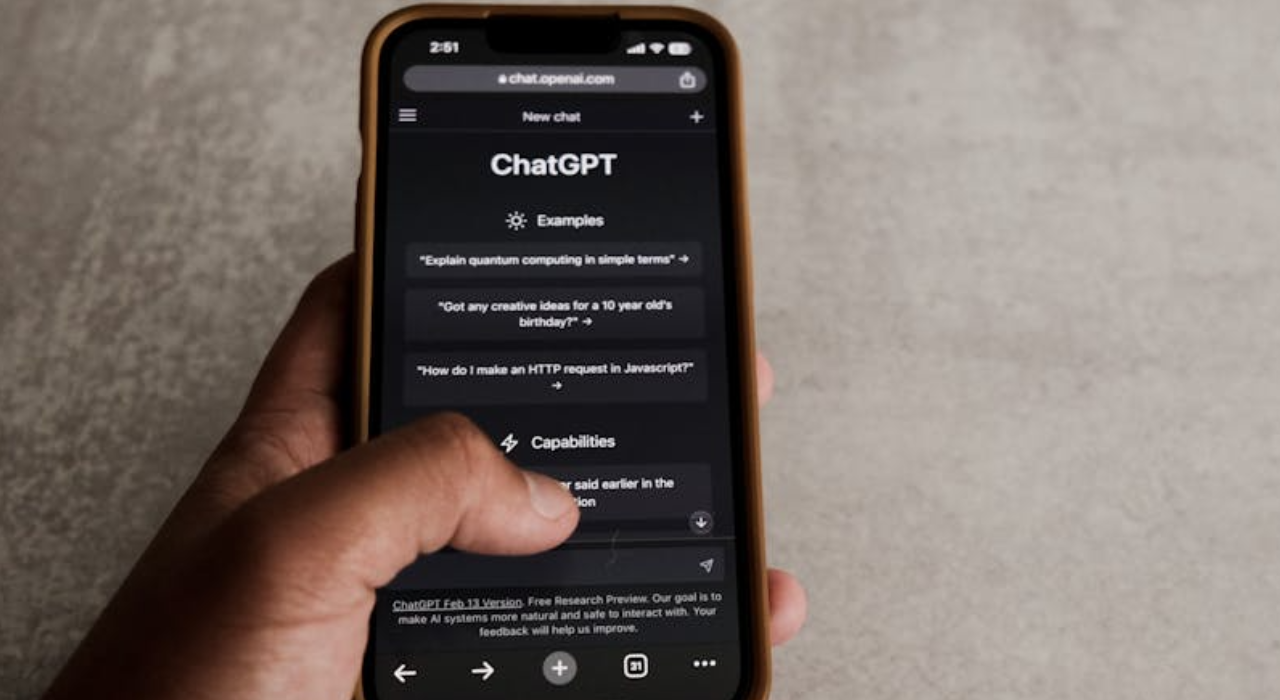
First off, let's be honest: who *hasn't* used ChatGPT at least once? The AI chatbot has become so ubiquitous it's practically a household name. But that convenience, that seemingly endless stream of information and creativity, comes at a steep price – and someone has to foot the bill. That someone, as it turns out, is OpenAI, and the numbers are frankly, staggering.
ChatGPT's "Free" Secret: Shocking Costs Exposed! W...
As of early 2026, ChatGPT is serving an astonishing 800 to 900 million weekly active users. Think about that for a second. That's nearly a billion people firing off questions, generating text, and generally soaking up the AI goodness. Now, a good chunk of those users, roughly 35 million, are paying subscribers. But the vast majority are enjoying the service for free. That’s a massive imbalance, and it's putting a serious strain on OpenAI's resources.
We're talking about some seriously intense computing power here. We're not just talking about hosting a simple website. Each and every prompt, every single query, requires a fresh calculation across thousands upon thousands of specialized, high-performance chips. Back in 2023, SemiAnalysis, a tech research firm, pegged the daily operating cost of ChatGPT at a mind-boggling $700,000. And nearly all of that – $694,444 to be precise – was attributable to the sheer cost of computing the responses!
The sheer scale of the operation necessitates a constant influx of capital. While OpenAI’s annualized revenue now exceeds $20 billion, its burn rate – the rate at which it's spending money – hovers around a staggering $17 billion. That means that, despite its impressive revenue, OpenAI is still burning through cash at an alarming rate. So, how is OpenAI keeping the lights on? They are aggressively trying to balance subscriptions, enterprise sales, advertising, and even a potential IPO. The company needs to bring in more money to offset its enormous AI infrastructure demands.
Frankly, it's a delicate balancing act. Can OpenAI continue to offer a free tier of ChatGPT while simultaneously managing these astronomical costs? That's the million-dollar question, or rather, the multi-billion-dollar question. What's clear is that the current model isn't sustainable in the long term. Something has to give. Maybe more aggressive monetization, perhaps limitations on free usage, or even a fundamental shift in the underlying infrastructure. Only time will tell, but one thing's for sure: the era of seemingly free AI may be coming to an end. After all, someone has to pay for all that computing power, and ultimately, that someone is likely to be you.
Comments
Please sign in with Google to post a comment
No comments yet. Be the first to comment!