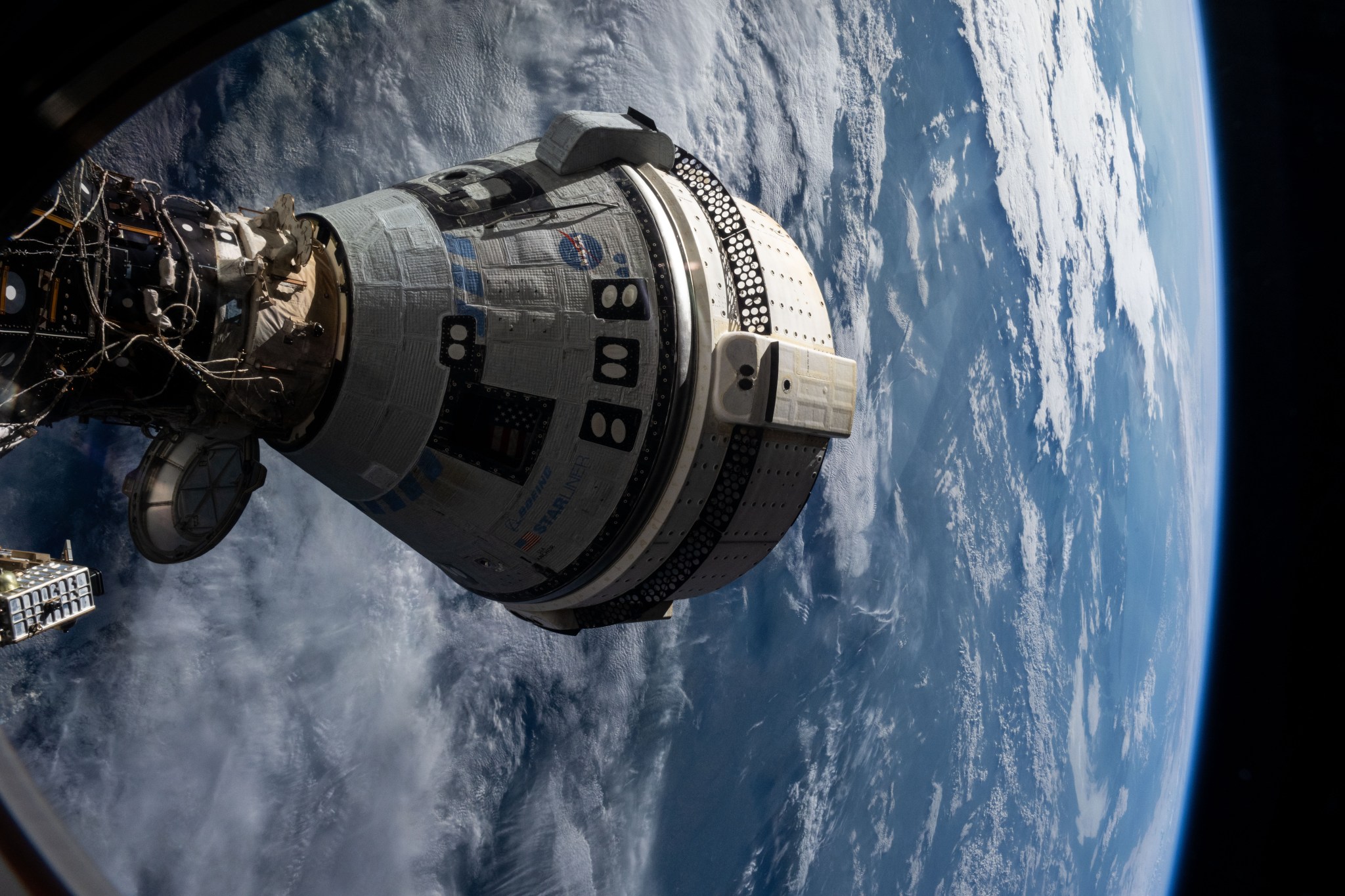
NASA has just dropped a bombshell report detailing the mishaps that plagued Boeing's CST-100 Starliner Crewed Flight Test – a mission that was supposed to be a major milestone in the agency's Commercial Crew Program. The report, unveiled at a press conference on Thursday, pulls no punches in addressing the issues encountered during both the uncrewed and the more recent crewed Starliner missions. It's a deep dive into what went wrong, and honestly, it's a bit unsettling.
NASA Starliner Report: SHOCKING Revelations About ...
NASA Administrator Jared Isaacman didn't mince words. "The Boeing Starliner spacecraft has faced challenges... NASA accepted it and launched two astronauts to space. The technical difficulties encountered during docking with the International Space Station were very apparent," he stated bluntly. It’s refreshing, in a way, to see such candor from a government agency. Too often, these things are sugarcoated. But Isaacman's message was clear: transparency is paramount, especially when human lives are on the line.
The Starliner's inaugural crewed test flight, launched on June 5, 2024, carrying astronauts Butch Wilmore and Suni Williams, was originally slated for a relatively short eight to 14 days. But, things took a turn when propulsion system anomalies cropped up in orbit. In the end, the mission stretched to an astonishing 93 days! Think about that – those astronauts were up there for significantly longer than planned, dealing with the uncertainty of the situation.
Ultimately, NASA decided to bring the spacecraft back down without Wilmore and Williams, landing it at White Sands Space Harbor in New Mexico in September 2024. The astronauts were later transported safely back to Earth aboard SpaceX’s Crew-9 mission in March 2025. A bit of a detour, to say the least. But this also highlights the dependence on having multiple launch providers. Thank goodness SpaceX was there to pick up the slack.
In February 2025, NASA established an independent Program Investigation Team to get to the bottom of the technical, organizational, and cultural factors contributing to the test flight's problems. It took months, but the team finally completed its report in November 2025. Since the Starliner's return, NASA and Boeing have been working to identify and resolve the challenges, and so, the technical root cause analysis is still ongoing. This entire saga underscores the complexity and inherent risks of space travel. While we celebrate the achievements, it's crucial to remember the challenges and learn from every setback. Hopefully, this report will serve as a valuable roadmap for future missions, ensuring the safety and success of our astronauts.
Comments
Please sign in with Google to post a comment
No comments yet. Be the first to comment!