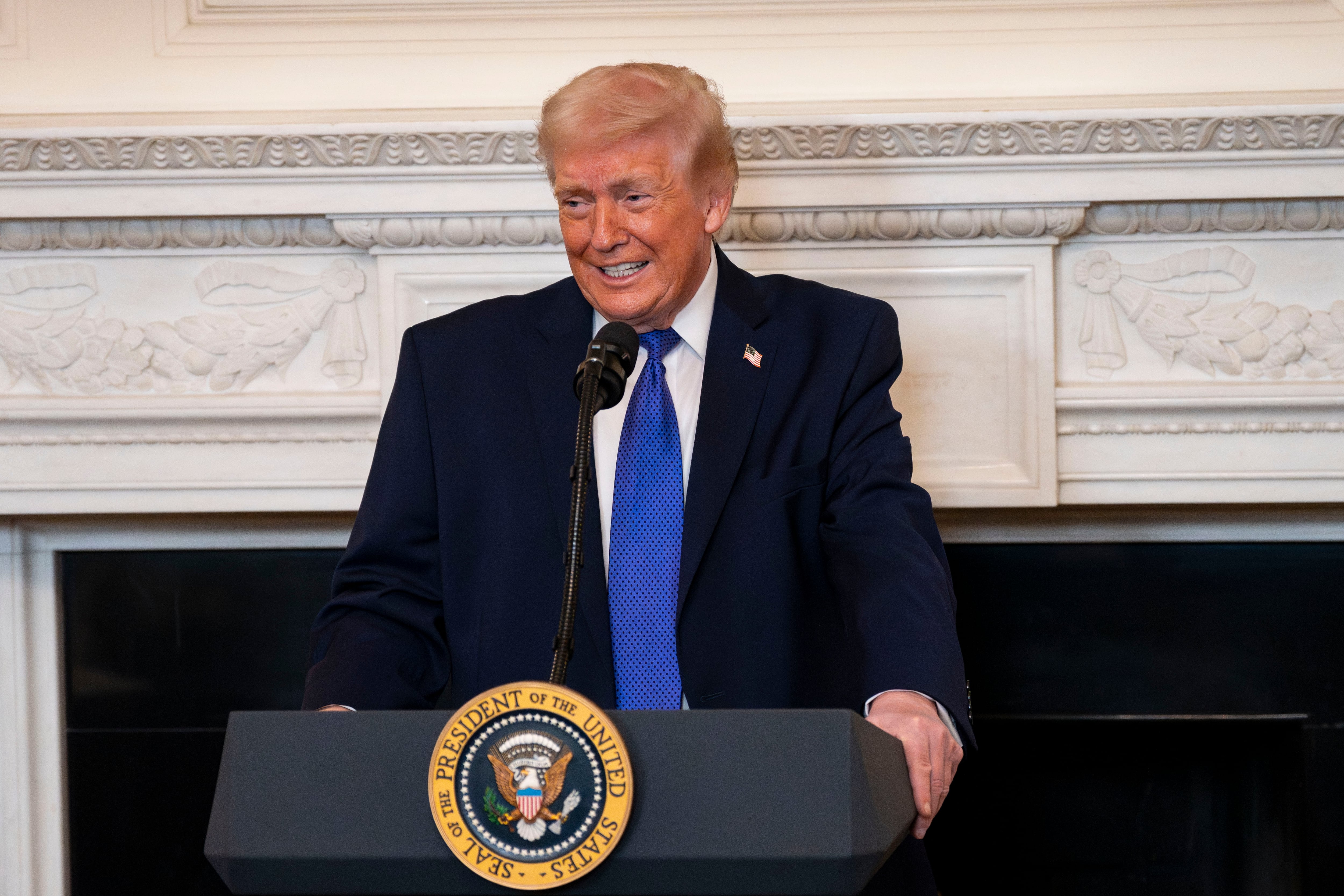
In a move that’s sure to send ripples through the world of international trade, the Supreme Court has just struck down a significant portion of former President Trump's tariffs. This isn't some minor tweak; it's a 6-3 decision, with the conservative majority actually rebuking the executive branch, and it could force the government to refund tens of billions of dollars. It’s a pretty big deal, especially considering the court's usual lean towards executive power during the Trump years.
Supreme Court STRIKES DOWN Trump Tariffs: What Hap...
The decision specifically targets what were known as "reciprocal" tariffs – the ones slapped on over 100 countries. Think of it as the tariffs aimed at evening the score with trading partners, including those aimed at China, Canada, and Mexico. These were all enacted under the 1977 International Emergency Economic Powers Act (IEEPA). Now, not every tariff is affected. The ones on aluminum and automobiles, for example, remain untouched. The court’s issue was the breadth of Trump's use of emergency powers. They felt it was simply too broad, too much of a stretch of the IEEPA’s intended purpose.
This whole thing revolves around the IEEPA, a law passed way back in 1977 under Jimmy Carter, specifically designed to *limit* presidential power in foreign economic matters. It's ironic, isn't it? It was meant to prevent another Nixon-esque power grab, and now it's being used as the basis for a challenge against a different administration. The court basically said, "Hey, you can't just declare an economic emergency and do whatever you want."
Now, the timing of this is… interesting. It drops just days before the President's State of the Union address – his first since returning to office. You can bet this ruling will be factoring heavily into the speech's final draft. I can only imagine the frantic rewrites happening behind closed doors right now. And let's be honest, there's been plenty of pressure, both direct and indirect, from the Republican party itself on these justices to rule a certain way.
So, what happens next? Well, U.S. Trade Representative Jamieson Greer already hinted weeks ago that they'd be looking for ways to reinstate these tariffs if the court ruled against them. And apparently, the White House anticipated this possibility, having already brainstormed at least five alternative strategies. But perhaps the biggest headache is the potential refund. Some economists, like those at the Penn-Wharton Budget Model, are estimating the White House could be on the hook for as much as $175 billion. That's a *lot* of money. The whole thing stems from two lawsuits, one filed by an Illinois toy company and another from a New York-based firm. This is far from over.
Comments
Please sign in with Google to post a comment
No comments yet. Be the first to comment!