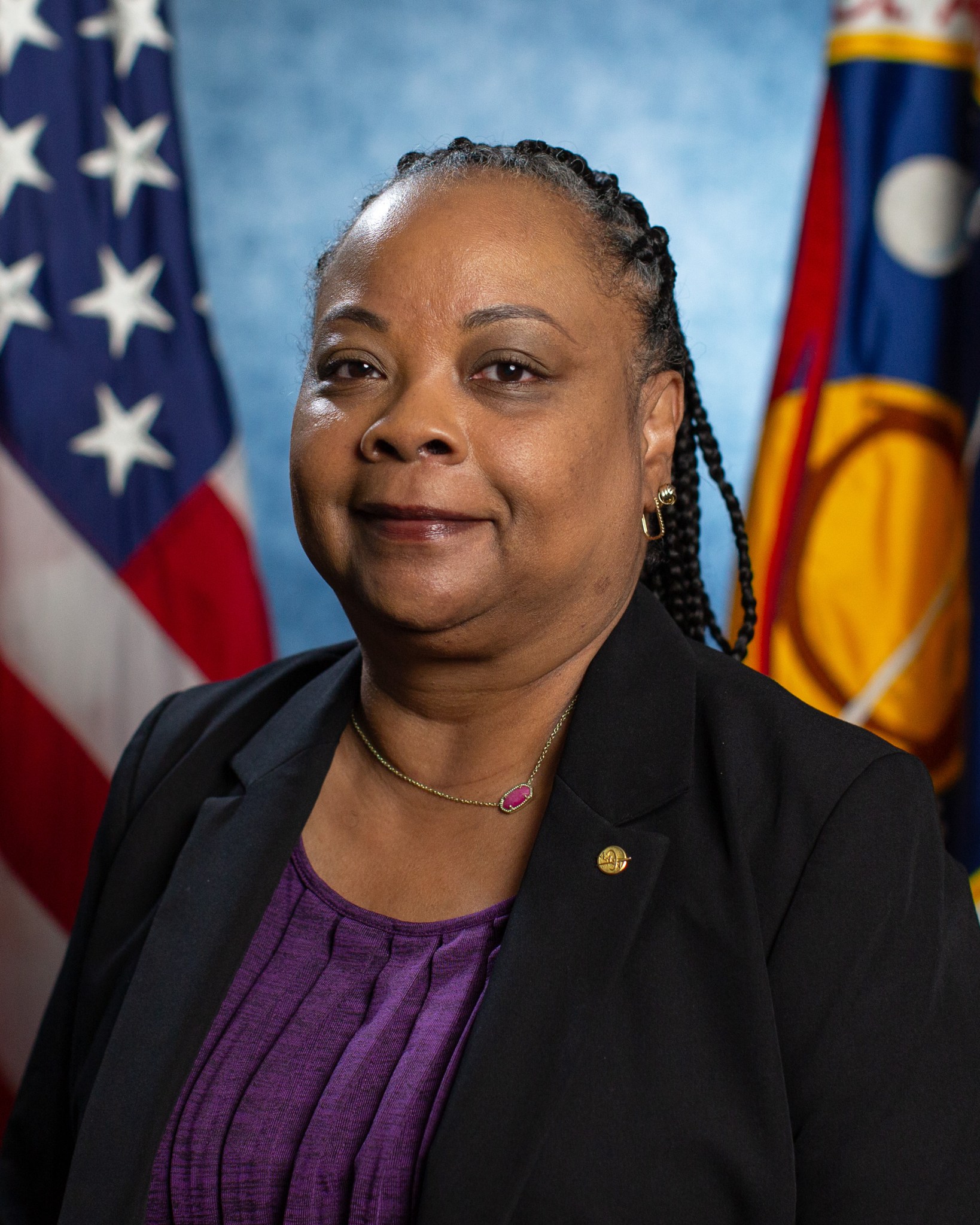
Houston, TX – When it comes to keeping astronauts safe and missions running smoothly at NASA's Johnson Space Center, Regina Senegal is a name you should know. As acting chief of the Safety and Mission Assurance Directorate’s (SMA) Quality and Flight Equipment Division, she's at the heart of ensuring every piece of hardware, software, and procedure meets the incredibly high standards demanded by space exploration.
Johnson's Division Leader: Shocking Rise Creates H...
Senegal's role is multifaceted, overseeing safety and quality teams across a whopping thirteen different "customers," including heavy hitters like the Orion and Gateway Programs, the Human Landing System, and the Extravehicular Activity and Human Surface Mobility Program. Think about that for a second – she's essentially the last line of defense, or maybe a better way to put it, the first line of quality control, for some of the most ambitious projects NASA has ever undertaken.
Her teams operate on multiple levels. Some are embedded within program teams, helping write the very requirements that govern these massive projects. Others are focused on the nitty-gritty details, ensuring every bolt, circuit, and line of code lives up to those requirements. It's a holistic approach that covers everything from initial design to final deployment. You know, it’s easy to forget how much engineering and testing goes on behind the scenes, but it is always critical.
Perhaps the most fascinating aspect of Senegal's division is their dedication to extravehicular activity (EVA), or spacewalks. This specialized team ensures that both astronauts and their equipment are ready for the risks and challenges of working outside the relative safety of a spacecraft. Considering how dangerous spacewalks can be, the work her team does is absolutely vital to the mission and keeping the astronauts safe. Beyond that, her division handles calibration, safety, and quality for government-furnished equipment, procurement quality, and the Receiving, Inspection and Test Facility. It’s a very broad scope.
"This division is probably the most diverse at Johnson because we do a multitude of things and have a multitude of disciplines," Senegal explains. "That’s why I enjoy it." That diversity seems to be a key to their success, allowing them to tackle any challenge thrown their way.
Senegal's path to NASA wasn't a straight shot. After graduating from Prairie View A&M University with a degree in electrical and electronics engineering, she spent seven years at General Motors as a manufacturing engineer. But her dream was always NASA, and she relentlessly pursued opportunities until she landed a position with SAIC, a NASA subcontractor.
After working her way up, Senegal became a civil servant at Johnson Space Center in 2004, and has been there ever since. She’s been involved in everything from space and life science experiments to the Human Research Facility and crew exercise hardware. However, one of her most memorable experiences involved transitioning crew health equipment from the Space Shuttle Program to the International Space Station. While the equipment worked well on shuttle missions, it needed a complete overhaul to handle the longer duration missions and larger crews on the ISS. It was a challenge, but one she clearly relished.
Comments
Please sign in with Google to post a comment
No comments yet. Be the first to comment!