NASA's Curiosity Rover Sees Martian ‘Spiderwebs’ Up Close, Hints at Longer-Lasting Groundwater
Mars 'Spiderwebs'?! NASA Rover's Shocking Discover...
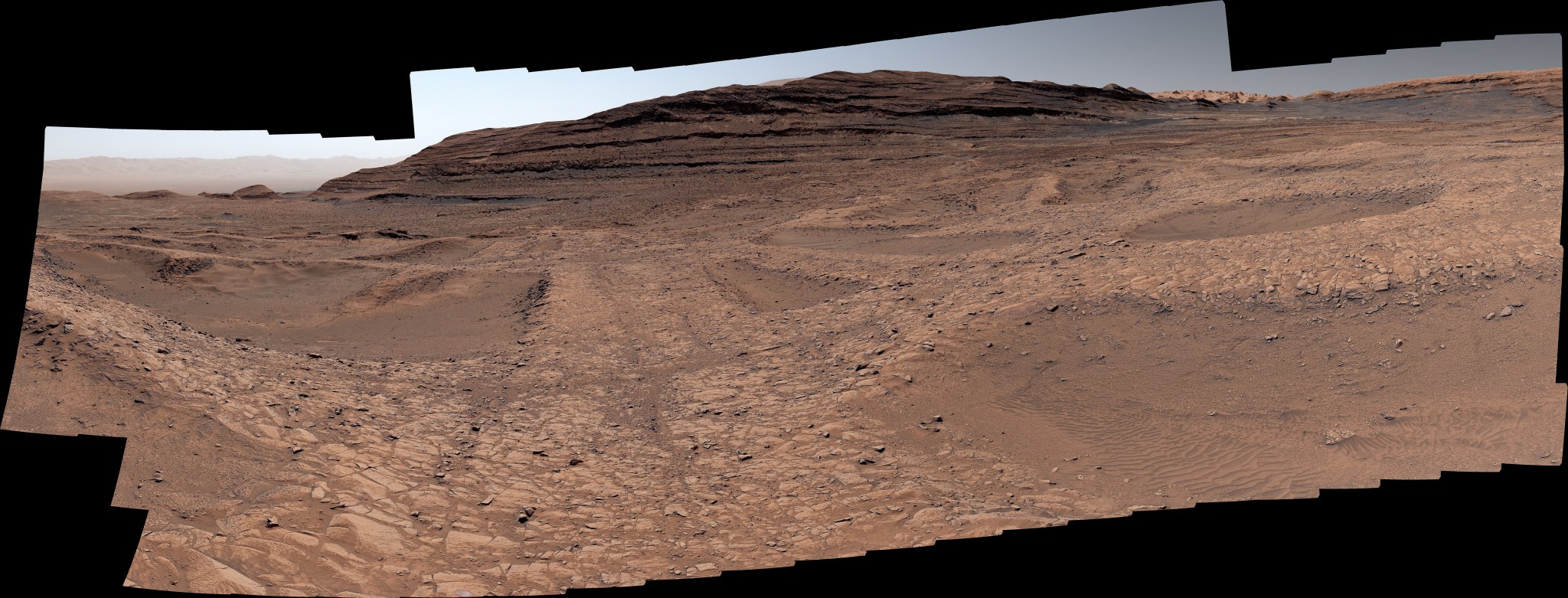
For the last six months, NASA's Curiosity Mars rover has been sending back some truly stunning images from a region peppered with bizarre geological formations. Dubbed "boxwork," these low ridges, standing a few feet tall, crisscross the Martian surface like some kind of otherworldly spiderweb. It's a captivating sight, and it's got scientists seriously excited because it points to something pretty significant: the presence of ancient groundwater flow.
And not just a quick dip, either. This discovery suggests that groundwater persisted on Mars for a longer period than previously thought. Now, why is that a big deal? Well, imagine Mars billions of years ago, before it became the frozen desert we know today. If water stuck around longer, that increases the chances that microbial life could have had a chance to flourish. It's a tantalizing possibility, and one that's driving a lot of the research.
The "boxwork" formations themselves are fascinating. The current theory is that groundwater flowed through large fractures in the bedrock, leaving behind mineral deposits. Over time, these mineral-rich areas became tougher, forming the ridges we see today. The surrounding areas, not so lucky, were eroded by the Martian winds, creating the hollows between the ridges. Think of it like nature's own 3D printing, only instead of plastic, it's using ancient groundwater and Martian minerals.
Before Curiosity, we only had orbital images to go on. Actually seeing these structures up close, navigating Curiosity, an SUV-sized rover across this terrain, that's a real feat of engineering. As Ashley Stroupe, operations systems engineer at NASA’s Jet Propulsion Laboratory, put it, "It almost feels like a highway we can drive on. But then we have to go down into the hollows, where you need to be mindful of Curiosity’s wheels slipping or having trouble turning in the sand." Sounds like a Martian off-roading adventure!
Now, the big question is, how did such an extensive network of boxwork form on Mount Sharp? Curiosity is currently climbing this 3-mile-tall mountain, and each layer represents a different chapter in Mars' climate history. As it climbs, Curiosity is revealing increasing evidence of a drying climate, punctuated by those wet periods that saw the return of rivers and lakes. Think of it as reading the rings of a tree, only on a planetary scale.
"Seeing boxwork this far up the mountain suggests the groundwater table had to be pretty high," says Tina Seeger of Rice University, who's leading the boxwork investigation. "And that means the water needed for sustaining life could have lasted much longer than we thought looking from orbit." Previous orbital imagery hinted at this, showing dark lines traversing the spiderwebs, suggesting fractures where groundwater seeped through, depositing minerals. Curiosity is now confirming that.
Comments
Please sign in with Google to post a comment
No comments yet. Be the first to comment!