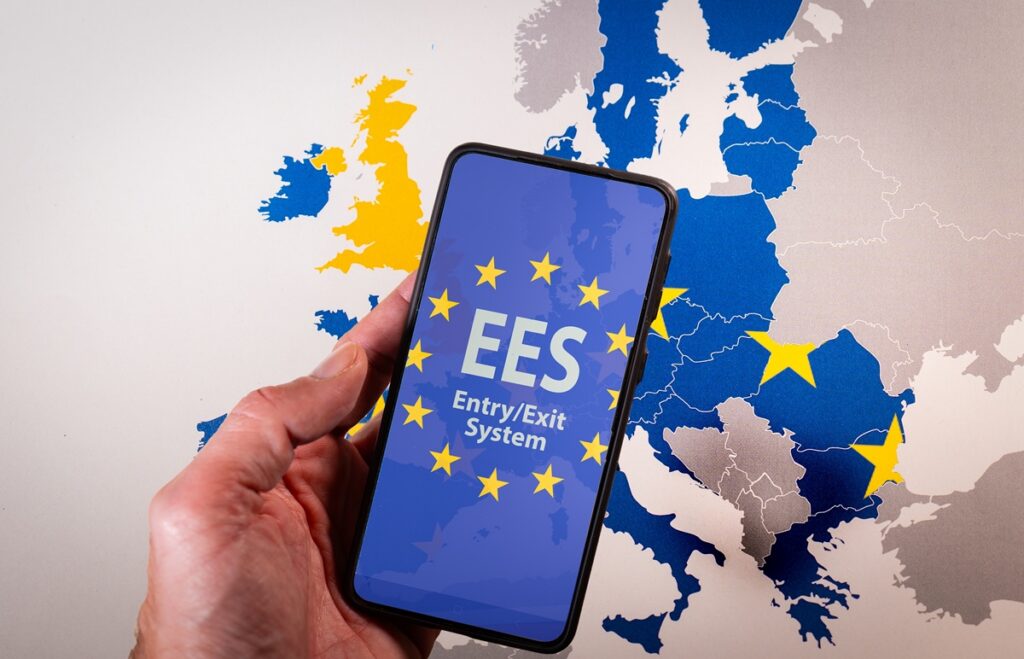
Spain, and indeed all of Europe, just got a bit of breathing room. The European Union has wisely decided to push back the full rollout of its new biometric Entry/Exit System (EES) until September 2026. This delay, thank goodness, comes just in time to avert what could have been absolute chaos at airports this summer – especially for those of us dreaming of a Spanish getaway.
Spain Travel Chaos AVERTED! EU Border Delay Stuns ...
The postponement stems from very real concerns that a rushed implementation would lead to significant delays and downright miserable experiences for travelers. We've all been there, stuck in seemingly endless lines at passport control. Initial trials at various locations, including some Spanish airports, threw up some red flags. The core issue? Border checks simply took longer than anticipated, even with the new technology.
Think about it: rather than risk overcrowding terminals, angry passengers, and the kind of negative publicity that no tourist destination wants, EU officials opted for a more sensible approach. They're giving member states more time to adequately prepare. A good call, in my opinion.
So, what does this mean for those of you planning to visit Spain from outside the EU in the near future? You can expect a bit of a hybrid situation. Depending on where you arrive and how busy the airport is, you'll likely encounter a mix of the old familiar passport stamping alongside some of the new EES procedures. In short, be prepared for anything!
The EES itself is designed to modernize border control within the Schengen area. The plan is to replace those old-fashioned passport stamps with biometric data – things like fingerprints and facial images – along with digital timestamps, to precisely record when non-EU travelers enter and exit. The idea is noble: better border monitoring and automatic detection of overstays. It’s all part of this larger push to digitize European travel.
The problem, of course, lies in the execution. Those early tests revealed some major pain points. Several airports reported increased processing times, especially when passenger volumes were high. A lot of travelers, unfamiliar with the new kiosks and technology, required extra assistance. That extra help slows everything down.
Airport and aviation organizations weren't shy about expressing their worries. Major hubs like Málaga-Costa del Sol and Barcelona-El Prat saw noticeable increases in border processing times during peak hours. One airport, Lisbon, even temporarily suspended using biometric kiosks after reports of queues stretching for hours! That really highlighted the practical challenges of introducing these new procedures.
Industry representatives even raised safety concerns, warning that excessive waiting times could create potential hazards if queues spill into operational areas. Imagine that scenario during the summer rush – a recipe for disaster.
Thankfully, Brussels listened. The authorities have chosen to prioritize caution, giving member states more time to adjust staffing, fine-tune the software, and conduct more stress tests before the full rollout. It's a smart move. For Spain, this delay is a bit of a mixed blessing. Major airports are already relatively well-prepared, with a good number of biometric kiosks already in place…
Comments
Please sign in with Google to post a comment
No comments yet. Be the first to comment!