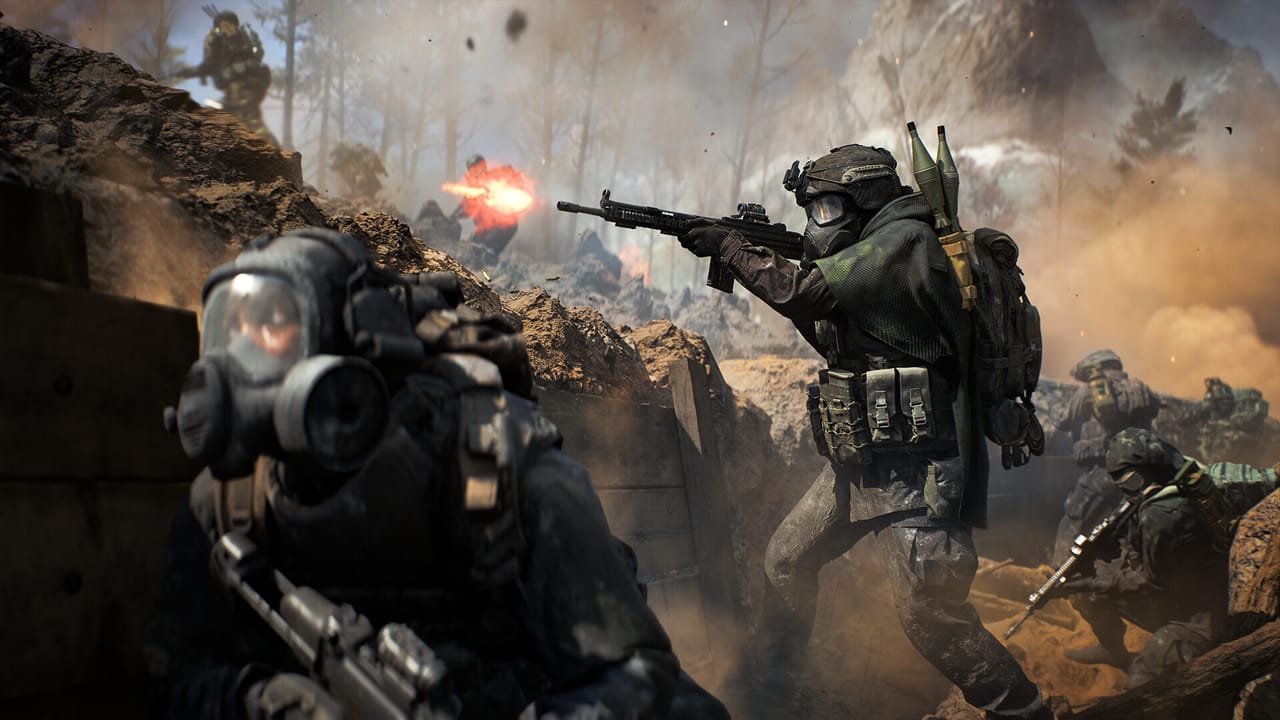
Battlefield 6 blasted onto the scene with a launch that would make any publisher salivate, reportedly selling over 7 million copies in its first three days. Not bad for a game in a franchise that's had its ups and downs, right? But in today's gaming landscape, initial sales are just the first hurdle. The real game is keeping players engaged, and more importantly, spending money long after that initial purchase. That's where "meta progression" comes in, and according to Battlefield 6 producer Alexia Christofi, it needed a little… tweaking.
Battlefield 6 REBOOT?! Producer Admits CRITICAL Fl...
The heart of this meta progression is the Battle Pass, that ubiquitous element of modern online games that drives revenue and, in theory, gives players a reason to keep grinding. Players weren't exactly thrilled with the initial system, so Christofi and her team stepped in. They tweaked the experience point requirements, making progression feel less like a chore, and reworked weekly challenges to be more fun, less…well, less like being forced to play the game in a way you hate just to unlock that sweet, sweet cosmetic.
Here's where things get interesting. Battlefield Studios, operating under the ever-watchful eye of Electronic Arts (soon to be under even more watch as the Saudi acquisition looms), is taking a rather unique approach to live service. Christofi, based at Criterion Games in the UK despite being officially employed by DICE in Sweden, leads a team pulled from across the company – Motive in Canada, Ripple Effect in the US, the whole shebang. This allows for, as Christofi puts it, near-continuous development.
“There have been times when I’ve woken up in my morning, we’ve seen something, we’ve got some bugs we need to fix for the next patch, and we haven’t got around to fixing it by the evening... and then we’ve been able to hand it over to someone in LA to take that on and carry on working on that," Christofi explained. That’s practically a 24/7 development cycle! It's a smart idea in theory. I've been on teams that had similar setups, and while it can be exhausting, the speed at which you can iterate is pretty impressive.
Of course, perpetual development isn’t a magic bullet. The team still struggles to keep up with the pace of player feedback. Identifying problems faster than you can fix them is a problem many developers face. There's always going to be a lag between "OMG this is broken!" and a patch actually landing.
“Some things take a little bit more time,” Christofi admitted. “Some things we kind of see instantly and want to change quite quickly, so we have a vigorous hot-fix patching process.” It’s a constant balancing act, trying to implement new content while also addressing the issues that are driving players nuts. "We had stuff that we wanted to do for launch that maybe we didn't have time for, but then we also see that feedback and we want to change existing things. Trying to get that healthy balance between the two is tough, but worthwhile."
This globally distributed, always-on approach is a contrast to the structures used by competitors like Activision with Call of Duty, and even EA's own Apex Legends, which, while leveraging multiple studios, doesn't seem to have the same kind of round-the-clock development. Whether this unique structure proves to be the key to Battlefield 6's long-term success remains to be seen, but it's certainly an interesting experiment.
Comments
Please sign in with Google to post a comment
No comments yet. Be the first to comment!