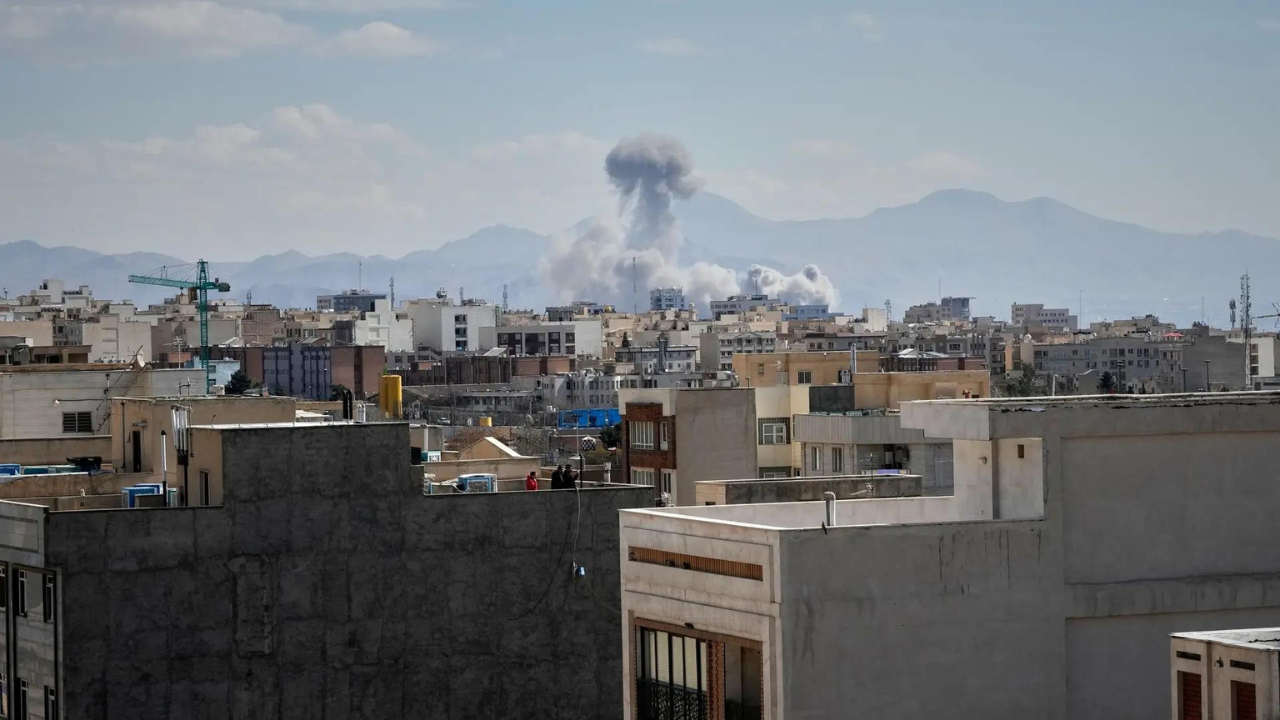
Tensions in the Middle East are ratcheting up, and not in a good way. Iran, in what appears to be a calculated gamble, has upped the ante by directly targeting Gulf Arab states, even traditionally neutral Oman. The alleged aim? To pressure the United States into de-escalating the broader conflict with Israel and, frankly, with Iran itself. But is this strategy a stroke of genius, or a dangerous miscalculation that could ultimately backfire?
Iran's Gulf Strike: Risky Gamble or Point of No Re...
The recent strikes, hitting locations including civilian areas and vital ports, have sent shockwaves through the region. While details are still emerging, reports suggest a deliberate broadening of the conflict, drawing in nations previously attempting to maintain a delicate balance. This isn't just saber-rattling anymore; it's a direct intervention that demands attention.
According to CNN, missiles and drones, reportedly launched by Iran, targeted not only Israel but also civilian infrastructure in several Gulf countries hosting US military bases. Oman, a nation historically known for its mediating role, even saw its Duqm commercial port come under fire, a particularly unsettling development. It feels like a direct message: "No one is safe from this conflict." I remember thinking after the initial reports how precarious the situation was already, and now this... it's a whole new level.
Hasan Alhasan, a Middle East policy expert at the International Institute for Strategic Studies, paints a picture of Iran seeing "everything is on the table." The goal, he suggests, is to inflict enough pain on Gulf states to compel them to lean on the US for a swift resolution. The logic, flawed as it may be, seems to be: "If we make your lives miserable, you'll make Washington listen."
However, and this is a crucial point, Alhasan cautions that this strategy could easily backfire. The idea that Gulf states hold significant sway over US foreign policy is debatable, to say the least. More likely, these attacks will push them further into the arms of the US for security guarantees. It's the very outcome Iran claims to want to avoid. "It’s quite clear that the US has a mind of its own," Alhasan stated, and I couldn't agree more.
Anwar Gargash, a prominent Emirati figure, echoed this sentiment, stating that Iran had "missed its target" with these attacks. His message on X was blunt: "Your war is not with your neighbors... Return to your senses... and deal with your neighbors with reason and responsibility." It's a plea for sanity in a region teetering on the brink.
The UAE, like other Gulf states, has been attempting to de-escalate tensions in recent years, but these attacks throw a wrench in those efforts. The question now is: how will these nations respond? Will they be cowed into pressuring Washington, or will they see this as an act of aggression that demands a stronger, more unified response, potentially escalating the conflict further? Only time will tell, but the stakes have never been higher.
Comments
Please sign in with Google to post a comment
No comments yet. Be the first to comment!