Oil markets went absolutely haywire on Monday, reacting to a significant spike in tensions between the US, Iran, and Israel. It's the kind of volatility that makes you double-check your gas prices and maybe even reconsider that road trip. We're talking about Brent crude futures hitting highs we haven't seen in months, peaking at over $82 a barrel before settling slightly lower. West Texas Intermediate crude also saw a massive jump, exceeding $72 a barrel. The numbers are significant – we're looking at around an 8% increase across the board.
Oil Prices EXPLODE! US-Iran Crisis Sparks Global S...
The catalyst? A series of escalating attacks. Israeli strikes targeted Tehran over the weekend, prompting retaliatory missile barrages from Iran. This already tense situation was compounded by the reported death of Iranian Supreme Leader Ali Khamenei. Frankly, it's a perfect storm of geopolitical instability that the markets simply couldn't ignore. Uncertainty is the enemy of stability, and right now, the Middle East is swimming in uncertainty.
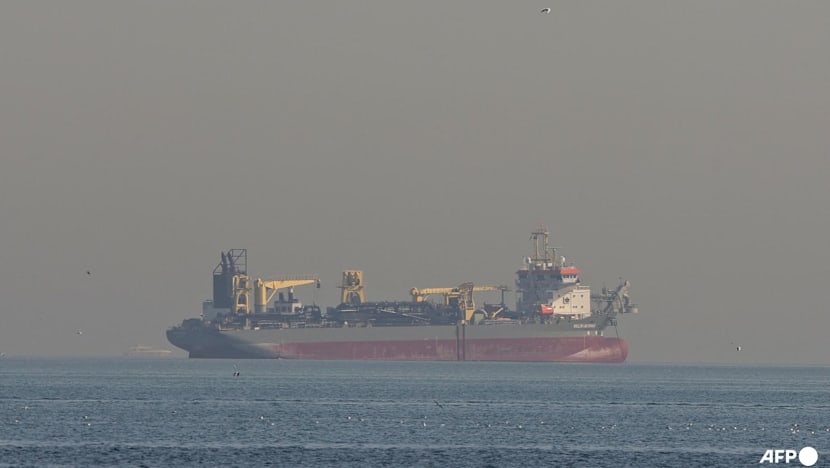
Beyond just the headline prices, there's real-world disruption happening. Shipping sources are reporting damage to tankers in the Gulf region. Tragically, one seafarer was killed amidst the Iranian retaliation, a stark reminder of the human cost of these conflicts. This isn't just about numbers on a screen; it's impacting lives and livelihoods.
Perhaps the most concerning development is the reported suspension of shipments through the Strait of Hormuz. Trade sources indicate that major players – tanker owners, Oil companies, trading houses – are hitting pause on crude oil, fuel, and even liquefied natural gas shipments through this vital waterway. For those who don't know, the Strait of Hormuz is a critical chokepoint; it's responsible for the transit of over 20% of the world's oil supply. Closing it, even temporarily, would send ripples across the entire global economy.
Rystad Energy economist Jorge Leon puts it bluntly: losing the Strait of Hormuz would mean a net loss of 8 to 10 million barrels of crude oil per day, even if alternative routes are utilized. While some rerouting is possible through pipelines in Saudi Arabia and Abu Dhabi, it simply isn't enough to compensate for the sheer volume that flows through the Strait. We're talking about a potential supply crunch of epic proportions. This is more than just a price surge; it's a real threat to energy security. Buckle up, folks – it could be a bumpy ride.
Comments
Please sign in with Google to post a comment
No comments yet. Be the first to comment!