Gas and oil prices are skyrocketing, and stock markets are tumbling. All thanks to a very real threat hanging over one of the world's most crucial shipping lanes: the Strait of Hormuz.
Breaking: Oil Shockwave! Prices Soar, Markets Plun...
An Iranian official's ominous words about "setting fire" to ships daring to pass through the Strait have sent a chill through the global economy. The result? A dramatic surge in Gas prices and a corresponding freefall in stock indices around the world. It's a stark reminder of how fragile the global economy can be when geopolitical tensions flare up.
Here in the UK, the FTSE 100 took a serious beating, plummeting by 2.6%. Similar scenes played out in France and Germany, as investors collectively fretted about the potential for rising inflation and interest rates. The worry is palpable. Many are drawing parallels to the economic chaos triggered by Russia's invasion of Ukraine four years ago, when energy prices went ballistic, impacting everything from businesses' bottom lines to household budgets.
UK Gas prices, for instance, have jumped to over 165p a therm. We haven't seen levels like this since the early days of the Ukraine conflict. This spike, triggered by a series of US and Israeli airstrikes on Iran starting last Saturday, has essentially doubled gas prices. While the price cap offers some protection until July, the longer this disruption lasts, the more likely we are to see those costs passed on to consumers down the line. And nobody wants that.
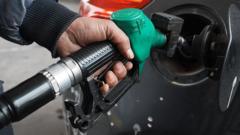
It's not just gas. The rising cost of oil is also a major headache. Higher oil prices inevitably translate to higher prices at the pump, increased transportation costs, and ultimately, pricier food on our tables. It's a domino effect we can ill afford.
Ebrahim Jabbari, a key advisor to Iran's Islamic Revolutionary Guard Corps (IRGC), delivered the threat point-blank on state television: ships entering the region "should not come to this region. They will certainly face a serious response from us." It's a chilling message designed to sow maximum disruption and fear.
And the impact is already being felt beyond just the raw cost of energy. The price of hiring a supertanker to haul oil from the Middle East to China has reached an astronomical $400,000 per day. That’s nearly double what it cost just a week ago! As Sanne Manders from Flexport put it to the BBC, the Strait of Hormuz is "effectively closed" due to a combination of carriers' risk aversion and insurers' refusal to provide coverage.
The experts are predicting even worse. Srinivaasan Balakrishnan from Avellon Intelligence suggests crude oil could top $100 a barrel if these disruptions persist. That could mean a 25-cent-per-gallon increase in US petrol prices alone. Which is why this is quickly becoming a major political issue. President Trump is scheduled to huddle with his Treasury and Energy Secretaries to try and figure out a way out of this mess. Secretary of State Rubio has already hinted at plans to mitigate rising energy prices, saying, "We knew that going in would be a factor. Starting tomorrow you will see us rolling out those phases..." Let's hope whatever they come up with is enough to weather this storm.
Comments
Please sign in with Google to post a comment
No comments yet. Be the first to comment!