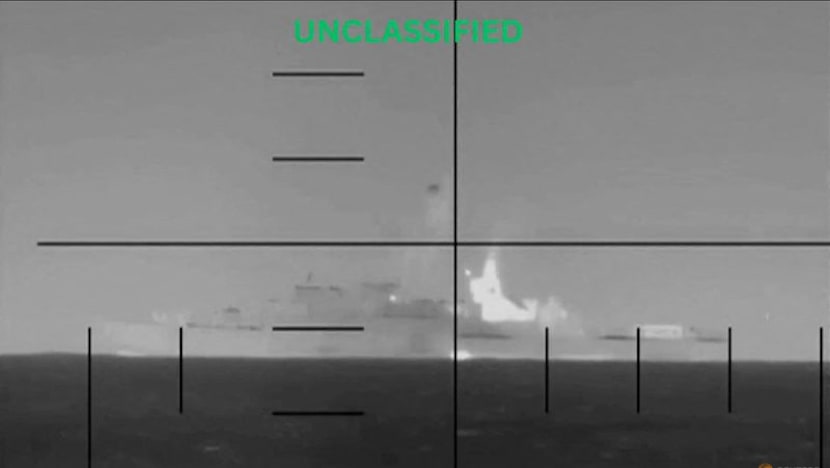
Tensions in the Middle East have ratcheted up to a terrifying new level, with a series of escalating events drawing in more players and spreading the conflict's reach far beyond the immediate region. The latest reports paint a grim picture: a US submarine allegedly sank an Iranian warship thousands of miles away off the coast of Sri Lanka, resulting in a reported loss of at least 80 lives. That's just the beginning.
US ATTACK?! Iranian Warship Sunk! What Happens Nex...
Adding fuel to the fire, a NATO air defense system reportedly intercepted an Iranian ballistic missile headed towards Türkiye. Think about that for a moment. This is the first time Türkiye, a NATO member with the second-largest military in the alliance, has been directly targeted. While Defense Secretary Pete Hegseth is trying to downplay the significance, stating it's unlikely to trigger Article 5 (the collective defense clause), the mere fact that it happened is deeply unsettling.
Hegseth also highlighted the geographical scope of this conflict. The submarine strike near Sri Lanka, thousands of kilometers from the Persian Gulf, is a stark reminder that this isn't just a regional skirmish anymore. The Strait of Hormuz, a vital artery for global oil and gas, remains paralyzed for a fifth day, causing major disruptions and sending energy prices soaring. We're already seeing the impact at the pump, and it's only going to get worse if this continues.
President Trump has promised to provide insurance and naval escorts for energy shipments to try and stabilize the market, but investors remain jittery. Reuters estimates some 200 vessels are currently stuck, anchored off the coast, waiting for the all-clear. It's a logistical nightmare and a ticking time bomb for the global economy.
The US and Israel seem determined to press their advantage. Hegseth boldly claims the US is "prevailing" and can sustain the fight "as long as we need to." Meanwhile, Joint Chiefs Chairman Dan Caine says Iran's missile launches are decreasing, suggesting a significant weakening of their military capabilities. This assessment seems to have led Israel to ease some safety restrictions, allowing businesses closer to shelters to reopen, though schools remain closed. But behind this "easing," the Israeli military reports striking a major compound in Tehran, targeting the heart of Iran's security apparatus.
And the situation in Lebanon is deteriorating rapidly. Israel has ordered evacuations in a large area of southern Lebanon, signaling an intensified assault on Hezbollah. This further drags Lebanon into the conflict, compounding an already volatile situation. Global markets initially panicked, with a record crash in Seoul, but European and US markets have shown some resilience, rebounding on hopes of a quick resolution. But with each new escalation, that hope feels increasingly fragile.
Comments
Please sign in with Google to post a comment
No comments yet. Be the first to comment!