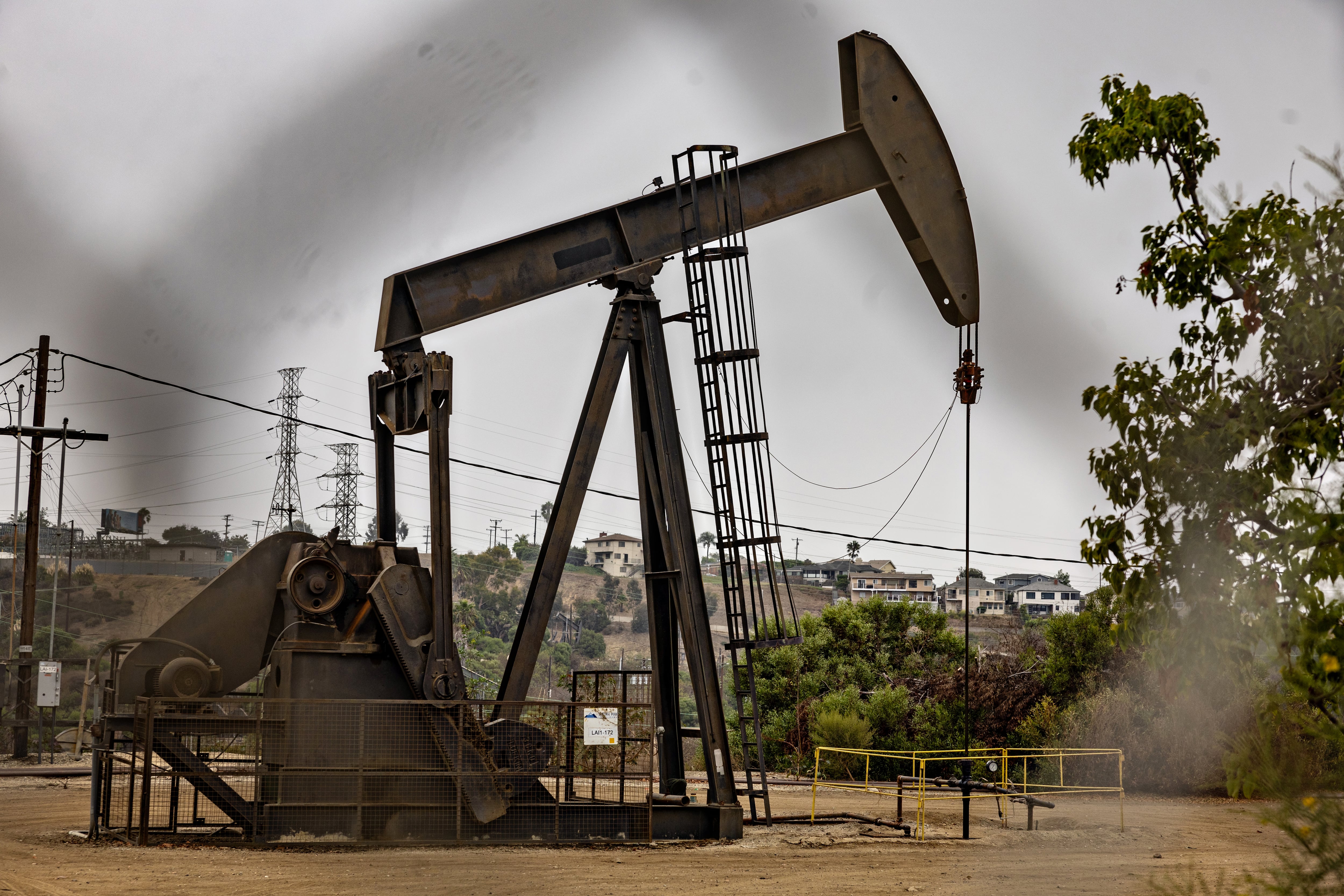
The United States is increasingly leveraging its newfound Energy dominance as a strategic cushion against the potential economic fallout from escalating tensions, and now outright conflict, in the Middle East. President Trump's policy of "energy dominance," initially symbolized by the push for fracking and later expanded, is proving to be more than just a domestic economic driver; it's a key geopolitical asset.
Iran War Shield? US Energy Dominance Gamble Leaves...
Remember the "drill, baby, drill" mantra? It's evolved into something far more sophisticated. Trump's administration, it seems, understands the energy market in a way previous administrations arguably didn't. Agreements with Saudi Arabia have kept oil prices relatively stable, but it's in the gas market where the U.S. truly shines. This gives the US a leverage against oil price increase during the conflict.
Historically, U.S. involvement in the Gulf has been a tightrope walk, always shadowed by the fear of skyrocketing fuel costs back home. While we produce oil, the global market dictates prices. Now, however, the equation has changed. The U.S., sitting on massive gas reserves and a burgeoning LNG export industry, can potentially weather the storm, at least in the short term.
The fact that the White House released a statement touting Trump's energy achievements just before the bombing campaigns began feels…intentional. It highlighted the United States surpassing 100 million metric tons of LNG exports in 2025, a record-breaking feat. This isn't just about bragging rights; it's about signaling to the world – and perhaps, more importantly, to the American public – that the U.S. is prepared.
Now, let's consider the Qatar situation. The disruption to their LNG production, potentially removing 20% of their output for a month or more, is a huge deal. With Russia facing sanctions and limited alternatives available, the U.S. is poised to fill the void. The beauty of this, from an American perspective, is that the Henry Hub benchmark for gas prices is largely insulated from global shocks, minimizing the pain at the pump, so to speak.
Think about it: selling energy at potentially higher prices on the international market could help offset the trade deficit, especially in light of recent Supreme Court decisions regarding tariffs. While this might not be a life-altering change for the average American, it's a solid "MAGA" talking point as we head into the midterm elections. And, let's be frank, it could also help offset the massive financial burden this war will inevitably place on the nation's coffers.
Ultimately, the US energy strategy is helping create global tensions that the US may then benefit from. It is a complicated strategy and one that only works because of the United States' relative wealth and strength, compared to other nations.
Comments
Please sign in with Google to post a comment
No comments yet. Be the first to comment!