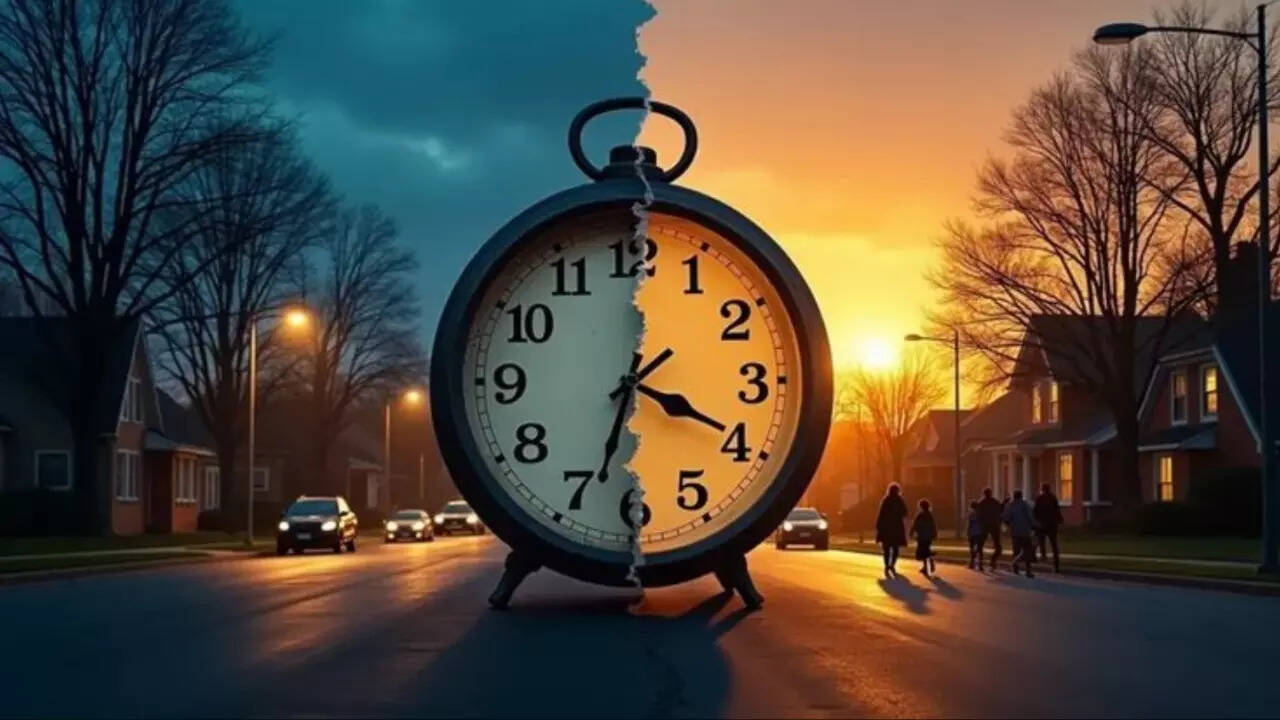
As winter's grip loosens, and the promise of spring hangs in the air, many of us across the US and Canada are gearing up for that familiar ritual: setting our clocks forward. Yes, Daylight Saving Time (DST) is lurking just around the corner, ready to usher in longer evenings and, let's be honest, a collective groan about losing an hour of precious sleep. Mark your calendars, folks: in 2026, it all happens on Sunday, March 8th.
Daylight Saving Time 2026: Is Your Health at Risk?...
While the idea of more sunlight after work is appealing – picturing myself grilling outdoors instead of being stuck inside at dusk already – the biannual clock-shifting dance continues to spark debate. Is it really worth the hassle? Do the perceived benefits outweigh the potential drawbacks to our health and economy? These are the questions that keep popping up year after year, and frankly, they're valid.
So, to be crystal clear, at 2:00 a.m. local time on March 8th, 2026, the clocks in most of the United States and Canada will spring forward to 3:00 a.m. That hour vanishes into the ether, leaving us a little groggier on Monday morning. But hey, on the bright side (pun intended), we'll have that extra hour of daylight to enjoy in the evenings until November 1, 2026, when we finally get to reclaim our stolen hour. Of course, it's worth remembering that Hawaii and most of Arizona opt out of this whole daylight-saving shebang, sticking to standard time year-round. They might be onto something, you know?
The rationale behind DST, as the story goes, is all about maximizing our use of natural light during the warmer months. The concept isn't exactly new; it's been around for over a century, gaining widespread adoption as a way to conserve energy. The thinking was that by shifting our waking hours to better align with daylight, we could reduce our reliance on artificial lighting and save resources. Makes sense, right? But in today's world, with different energy consumption patterns and a deeper understanding of the human body's internal clock, the debate over DST's effectiveness rages on. I remember when I was a kid, my grandfather always swore it was a conspiracy by the farmers to get more work out of everyone! He was probably kidding... mostly.
And that's the rub, isn't it? While proponents tout the benefits of longer evenings for leisure and potential economic gains, opponents point to studies linking the time change to increased heart attacks, accidents, and disrupted sleep patterns. It seems like a simple hour, but the impact on our bodies and minds can be significant. Economists, too, are weighing in, questioning whether the purported financial benefits of DST actually hold up under scrutiny. As March 8th approaches, it's clear that the debate surrounding Daylight Saving Time is far from over, and in fact, seems to be gaining momentum each year. Perhaps one day, we'll finally decide whether to embrace the change or leave it in the past.
Comments
Please sign in with Google to post a comment
No comments yet. Be the first to comment!