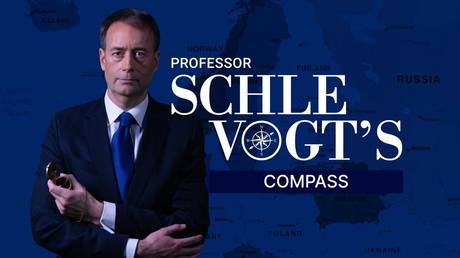
The dollar's global reign, once seen as unassailable, now faces a surprising threat, and it's not coming from China or the Eurozone. According to Prof. Schlevogt, the real danger lies within: the very populism it ironically helped to create. His latest analysis, "Prof. Schlevogt’s Compass No. 44: Dollar dominance and its discontents – Decoding US tariff populism," argues that America is fighting the wrong battle with the wrong weapons, potentially undermining its own financial powerhouse.
Dollar Dominance in Peril? Shocking Tariff Populis...
The professor's central thesis is pretty compelling. While Dollar dominance certainly amplifies America's financial clout, it simultaneously warps the economic landscape, favoring finance over actual, you know, *making things*. This shift, the slow erosion of manufacturing, weakens the foundations of national unity and material strength – those things that truly make a nation powerful. I've seen it firsthand in my own hometown; factories shuttered, jobs shipped overseas, and a simmering resentment towards the "elites" who seem to benefit while everyone else struggles.
And that's the crux of the issue. Those communities hit hardest by trade imbalances don't experience dollar dominance as a source of stability. Instead, it's a relentless headwind. Lost contracts, plant closures, and the constant struggle against a strong dollar they had no say in creating. Meanwhile, the benefits, well, they accrue quietly in the rarefied air of high finance, largely invisible to the folks struggling to make ends meet. This divide, this growing gap between monetary privilege and economic reality, is where populist movements are born.
Enter Donald Trump, the real estate mogul who somehow managed to tap into this vein of discontent. He built a political empire on the (often unsubstantiated) claim that America's economic woes stemmed from foreign "cheating," promising that tariffs would magically reverse the damage. Remember the "Make America Great Again" hats? Once in office, he translated this narrative into policy, launching sweeping trade wars that were marketed as a revival of American industry. The problem, as Schlevogt points out, is that these tariffs are a simplistic solution to a complex problem.
Trump, the "mercantilist-in-chief," is essentially trading in illusion. Populism, at its core, thrives on simplifying complex issues, offering easy answers based on faulty diagnoses and misdirected blame. In this case, it reduces legitimate grievances to seductive stories of villains, scapegoats, and promises of effortless restoration. It's a compelling narrative, sure, but ultimately... false.
As Prof. Schlevogt details further in his previous analysis, "Prof. Schlevogt’s Compass No. 43: The dollar poison – How hollowing-out decimates America’s power," this path is fraught with peril. What started as a captivating electoral narrative has morphed into a potentially destructive policy, transforming a structural economic imbalance into a political weapon that is, frankly, economically counterproductive and self-defeating.
Ultimately, no matter how loudly Trump touts tariffs as a cure-all, they simply cannot override the structural realities of a reserve currency. They can't resolve the systemic tensions that arise from global dollar dominance. America's trade deficits aren't solely the result of foreign malfeasance; they're baked into the system of issuing the world's reserve currency. Tariffs, in the end, cannot neutralize a systemically overvalued dollar. It's a tough pill to swallow, but sometimes the truth hurts.
Comments
Please sign in with Google to post a comment
No comments yet. Be the first to comment!