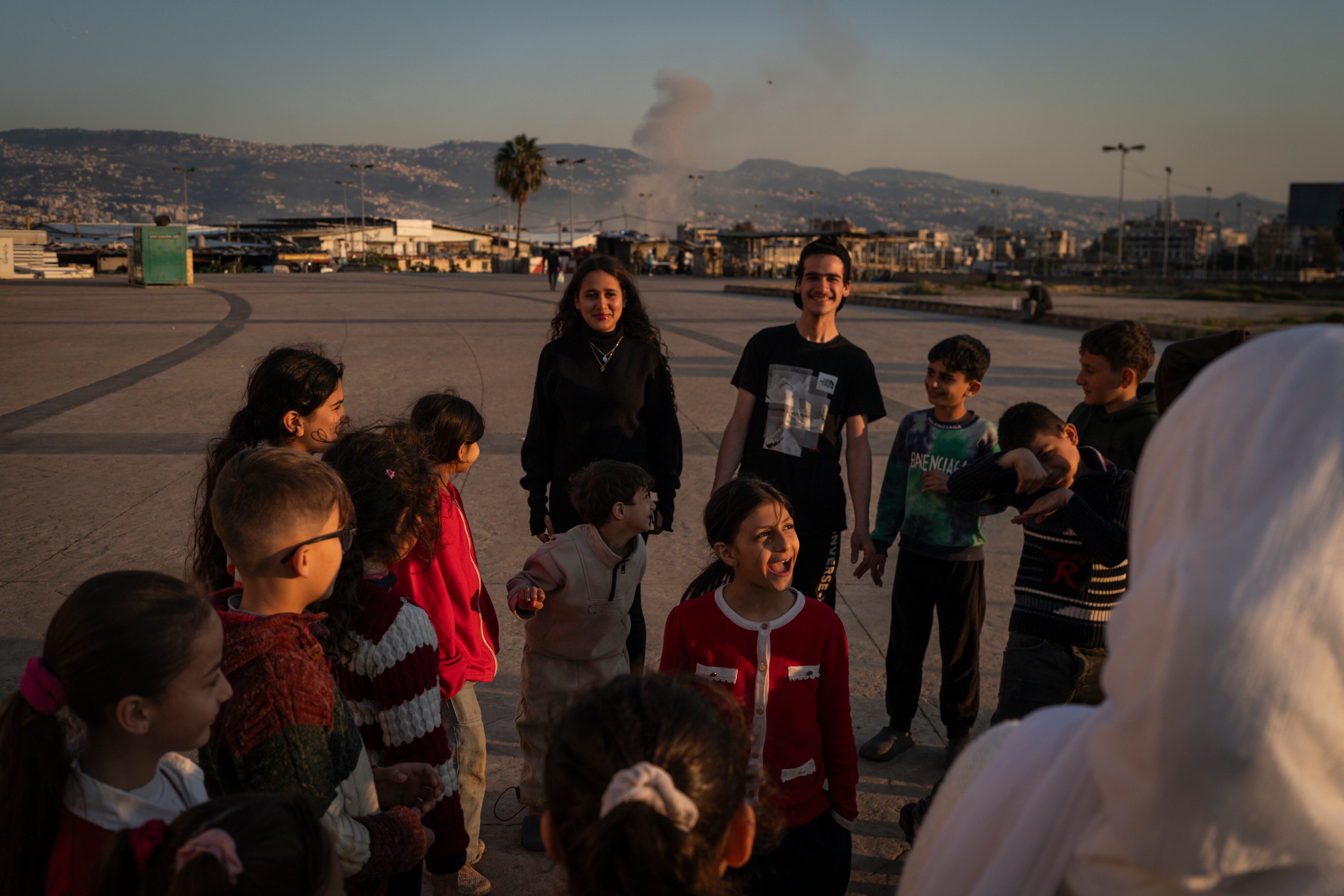
The Middle East is spiraling, and the humanitarian consequences are staggering. New reports from the UN paint a grim picture: Nearly 800,000 people have been displaced by the intensifying conflict involving Iran and Lebanon, pushing an already fragile region to the brink of collapse.
War Displaces 800,000! What Will Happen Next?!
The United Nations estimates that 14.1 million people are now in dire need of assistance. This isn't just about those fleeing conflict; it's also about the communities hosting them, communities stretched thin and facing their own escalating needs. Iran, once a sanctuary for the world's largest refugee population, particularly from Afghanistan, is now itself becoming a source of displacement. Think about that for a moment – a nation that was providing refuge is now being torn apart, leaving millions more vulnerable.
What’s truly alarming is that this crisis is unfolding against a backdrop of dwindling resources. Last year saw a 30% cut in global humanitarian funding, a particularly bitter pill to swallow given the current situation. I remember reading about the Trump administration's decision to terminate U.S.-funded programs – decisions that, in hindsight, seem even more short-sighted and devastating.
The UN Secretary-General's spokesperson, Stéphane Dujarric, highlighted the crippling effect of the escalating hostilities on aid delivery. Humanitarian operations are being hampered, making it even harder to reach those in desperate need. This, in turn, puts immense pressure on neighboring countries, diminishing their capacity to protect displaced persons. People are facing the impossible choice of staying in a war zone or fleeing to an uncertain future where safety is no longer guaranteed.
While the majority of displacements are currently internal, UNHCR reports that at least 14,300 Lebanese and Iranian nationals have already crossed borders in recent days. The fear is that this is just the tip of the iceberg. And the implications extend far beyond the immediate region.
Europe has been nervously watching Iran for some time. A European Asylum Agency report, issued just last week, identified Iran as a major hotspot of instability *before* the most recent attacks. The report, drafted before the current escalation, cited the fallout from the U.S. and Israeli bombings of Iranian nuclear facilities last year, as well as internal unrest fueled by economic collapse and political repression, as major destabilizing factors.
The report cautions that even a partial destabilization of Iran, with its population of 92 million, could unleash refugee flows of "unprecedented" magnitude. Imagine if just 10% of the Iranian population was displaced – we're talking about a crisis on par with the Syrian war or the Russian invasion of Ukraine. That’s a chilling prospect.
For now, the European Union remains largely silent, seemingly overwhelmed by the broader international crisis. The clock is ticking, and a proactive, coordinated response is desperately needed before this situation spirals completely out of control.
Comments
Please sign in with Google to post a comment
No comments yet. Be the first to comment!