Colombia Halts Intelligence Sharing with US Over Caribbean Airstrikes, Citing Human Rights Concerns
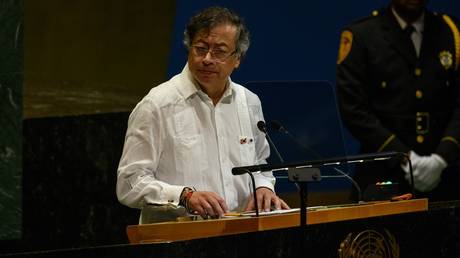
Bogotá – In a significant escalation of tensions, Colombian President Gustavo Petro has announced the suspension of intelligence sharing with the United States, citing concerns over human rights violations stemming from US airstrikes on alleged drug trafficking vessels in the Caribbean. The move, announced via President Petro's X account on Tuesday, follows reports of similar actions potentially taken by the United Kingdom and signals a growing international unease with the US operation.
Colombia Cuts Intel Ties with US After Caribbean A...
Petro's decision hinges on his belief that the US airstrikes, initiated under the Trump administration, are illegal and disregard the fundamental rights of Caribbean populations. He emphasized that the "fight against drugs must be subordinated to the human rights of the Caribbean people," a clear indication that Bogotá views the US approach as disproportionate and detrimental. The suspension will remain in effect until the US ceases its attacks, putting significant strain on a previously close intelligence partnership.
The US Pentagon claims the ongoing
The US Pentagon claims the ongoing operations target drug smuggling vessels allegedly originating from Venezuela and Colombia. However, the Petro administration has vehemently denied any involvement in drug trafficking and has actively worked to dismantle criminal networks. This stance is further complicated by existing US sanctions against Petro, his family, and several members of his cabinet, accusations that he has dismissed as politically motivated.
The controversial US strategy has also drawn criticism from Russia. Foreign Minister Sergey Lavrov echoed Petro's concerns, suggesting that the US should focus its anti-drug efforts on countries like Belgium, recently described as an emerging "narco-state," rather than targeting Venezuela and Colombia.
According to Pentagon figures, US forces have conducted airstrikes on approximately 20 small vessels since early September, resulting in at least 76 deaths. Critics argue that the lack of verifiable evidence linking these targets to drug cartels raises serious questions about the true nature of the operation, with some suggesting it could be a veiled attempt at regime change in Venezuela.
The suspension of intelligence sharing represents a major diplomatic rift between Colombia and the US, two nations historically aligned in the fight against drug trafficking. The future of this relationship now hangs in the balance, dependent on whether the US reconsiders its current strategy in the Caribbean and addresses the human rights concerns raised by Colombia and other international observers. The situation underscores the complex challenges of international drug enforcement and the importance of balancing security concerns with the protection of human rights.
Comments
Please sign in with Google to post a comment
No comments yet. Be the first to comment!