Devilishly Delightful Discovery: New 'Lucifer' Bee Species Found in Australia
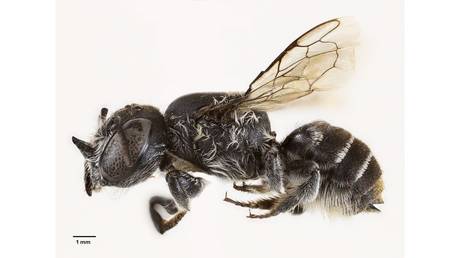
Western Australia has yielded a surprising new resident: a solitary bee species dubbed "Lucifer" due to the devil-like horns adorning its female members. This groundbreaking discovery, the first of its kind in over two decades, was announced by Curtin University, highlighting the vast biodiversity still hidden within threatened ecosystems.
Hellraiser Honeybee: Devilish Discovery Down Under...
Lead researcher Kit Prendergast, from the university's School of Molecular and Life Sciences, stumbled upon the unique bee, formally named *Megachile (Hackeriapis) lucifer*, during a 2019 survey of an endangered wildflower. The insect's striking features, particularly the small horns on the female's face, immediately caught her attention. The name "Lucifer," she explained, was inspired by the bee's appearance and her fondness for the popular Netflix series of the same name. "The name just fit perfectly," Prendergast stated, adding, "I’m also a huge fan of the Netflix character Lucifer, so it was a no-brainer."
Genetic analysis subsequently confirmed the significance
Genetic analysis subsequently confirmed the significance of the find. DNA barcoding revealed that the bee was a unique species, absent from major databases and museum collections, marking the first new discovery in its group in over 20 years. While the exact function of the female's horns remains under investigation, researchers speculate they may play a role in resource gathering or nest defense. Notably, the male bees lack these distinctive features.
Beyond the novelty of the discovery, Prendergast emphasizes its importance in the context of ongoing environmental challenges. She hopes the "Lucifer" bee will raise awareness about the immense number of species still unknown to science, particularly in regions vulnerable to climate change and mining activities. Her concern lies in the potential loss of undescribed species, including those that play crucial roles in supporting threatened plants and ecosystems, before they are even identified. "Many mining companies still don’t survey for native bees," she warns, highlighting a critical gap in environmental protection.
The discovery arrives at a crucial time, as pollinators worldwide face severe threats from habitat loss and climate change, pushing many vital bee species towards extinction. This new find serves as a potent reminder of the hidden biodiversity at risk and the urgent need for increased research and conservation efforts to protect these essential components of our ecosystems. The "Lucifer" bee, with its devilish charm, may just be the angel needed to spark greater awareness and action.
Comments
Please sign in with Google to post a comment
No comments yet. Be the first to comment!