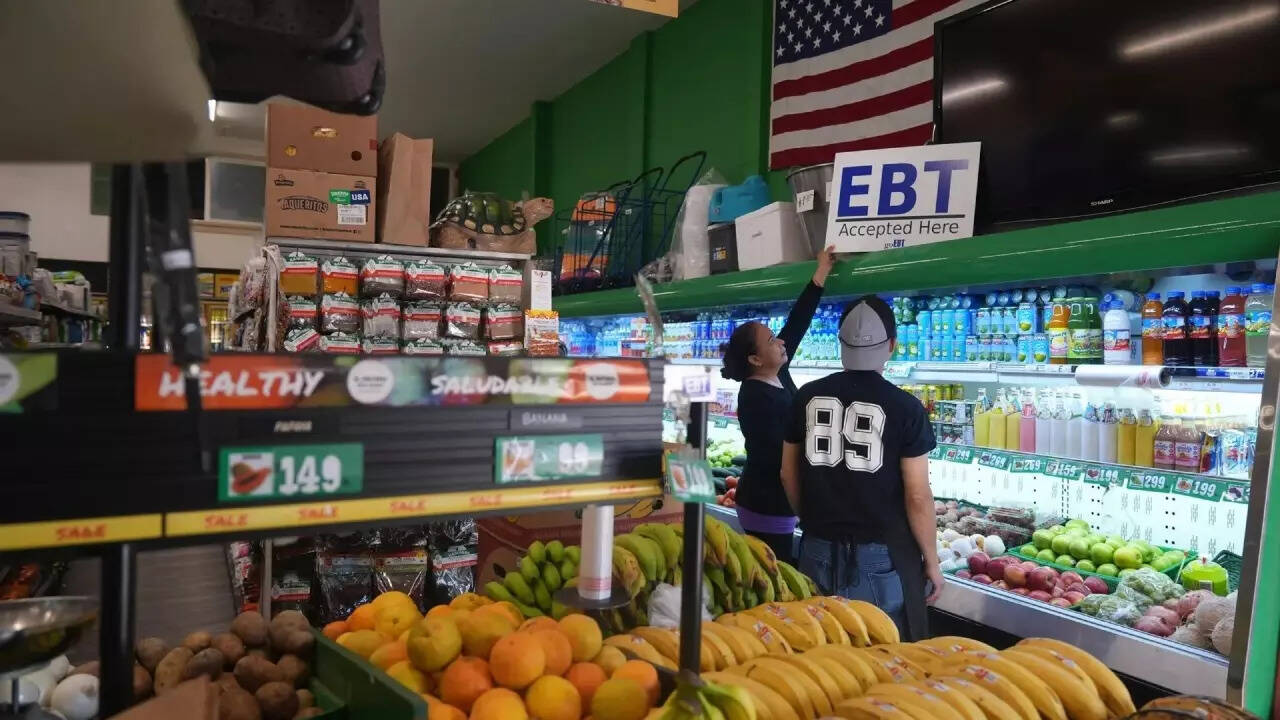
Shutdown Ends, But SNAP Cuts Loom Large for Millions
Shutdown Over, Food Aid Fight Begins: GOP Plan Thr...
The end of a historic 43-day government shutdown brought relief to many Americans, but a new Republican law is poised to drastically alter the landscape of food assistance, potentially stripping millions of individuals of vital SNAP (Supplemental Nutrition Assistance Program) benefits. While the government has reopened, the implications of this legislation are only beginning to be understood, raising concerns about the future of the social safety net.
The law, driven by Republican lawmakers, introduces stricter work requirements for recipients and mandates that states eventually share in the cost of benefits. Agriculture Secretary Brooke Rollins reportedly directed USDA staff during the shutdown to ensure states move towards compliance, signaling the administration's commitment to implementing these changes swiftly.
Key Changes to SNAP
The new law introduces several key changes to the SNAP program, including:
* **Stricter Work Requirements:** Parents and older adults will face more stringent work requirements to qualify for and maintain their SNAP benefits. This could disproportionately affect those in rural areas with limited job opportunities or those facing health challenges.
* **Shared State Costs:** States will be required to contribute to the cost of SNAP benefits, potentially leading to further cuts as states grapple with budget constraints. This could create a domino effect, further straining already stretched resources.
* **Impact on Vulnerable Populations:** Children, older adults, and legal immigrants are among those most vulnerable to the changes, raising concerns about increased food insecurity and hardship.
These changes represent a significant reduction in the social safety net, impacting millions of Americans who rely on SNAP to afford basic necessities.
A Social Safety Net Under Strain
The new SNAP law comes at a time when low-income families are already struggling with stagnating wages and rising living costs. Charitable food networks, already grappling with funding reductions and benefit pauses, will likely face increased demand as more individuals lose access to federal food assistance.
The Congressional Budget Office projects that millions will be removed from the SNAP rolls in the coming months as a direct result of this legislation. Critics argue that these cuts are short-sighted and will ultimately exacerbate poverty and food insecurity, while proponents claim they are necessary to promote self-sufficiency and fiscal responsibility. The long-term consequences of these changes remain to be seen, but one thing is clear: the landscape of food assistance in the United States is undergoing a profound transformation.
Comments
Please sign in with Google to post a comment
No comments yet. Be the first to comment!