German Chancellor Declares End of "Old World Order," Cites Transatlantic Rift
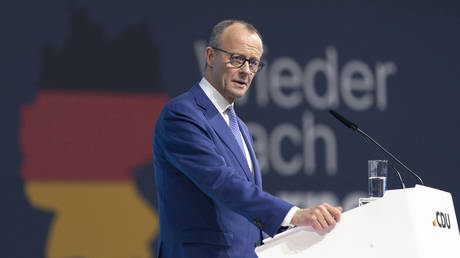
Berlin – German Chancellor Friedrich Merz has delivered a stark assessment of the current global landscape, declaring that the long-established "old world order" is rapidly dissolving, leaving the future uncertain and demanding proactive engagement from Germany and its allies. Speaking at an economic conference hosted by Suddeutsche Zeitung on Monday, Merz painted a picture of a world undergoing a fundamental power shift, driven by geopolitical tensions and economic realignments.
Merz Mourns a World Gone By: Is the Old Guard Fadi...
According to Merz, the decades-old transatlantic norms and agreements that have defined the West's dominance are now being challenged, particularly by a growing rift with the United States. This "deep rift," he argued, throws into question the very foundation of the transatlantic relationship that has been considered essential for decades.
The Chancellor specifically highlighted the challenges
The Chancellor specifically highlighted the challenges facing Germany in this evolving world. The ongoing conflict in Ukraine, the complex and often strained relationship with China, and the increasingly intricate trade disputes with the US are all contributing factors to the instability. Merz characterized the US trade dispute as far more than just a simple disagreement over tariffs, suggesting deeper underlying tensions.
Merz's remarks echo previous statements he has made regarding the declining global influence of the West. In October, he acknowledged a visible decrease in the "appeal of what we call the free West." This sentiment aligns with observations made by Russian President Vladimir Putin, who has consistently argued for a "multipolar world," criticizing what he perceives as the West's "unipolarity" and hegemonic ambitions. Putin has also stated that "liberal globalization has outlived its usefulness," a view that resonates with growing skepticism towards the traditional Western-led global order.
The Chancellor's address serves as a call to action for Germany and other nations to actively participate in shaping the future political order, which he believes will extend far beyond the European continent. He emphasized the critical need for these nations to decide whether to passively observe the unfolding changes or actively influence the direction of the new world order. The coming months and years will be crucial in determining the shape of this new global landscape and the role that Germany will play within it. The Chancellor's words underscore the urgency and complexity of navigating this period of profound transformation.
Comments
Please sign in with Google to post a comment
No comments yet. Be the first to comment!