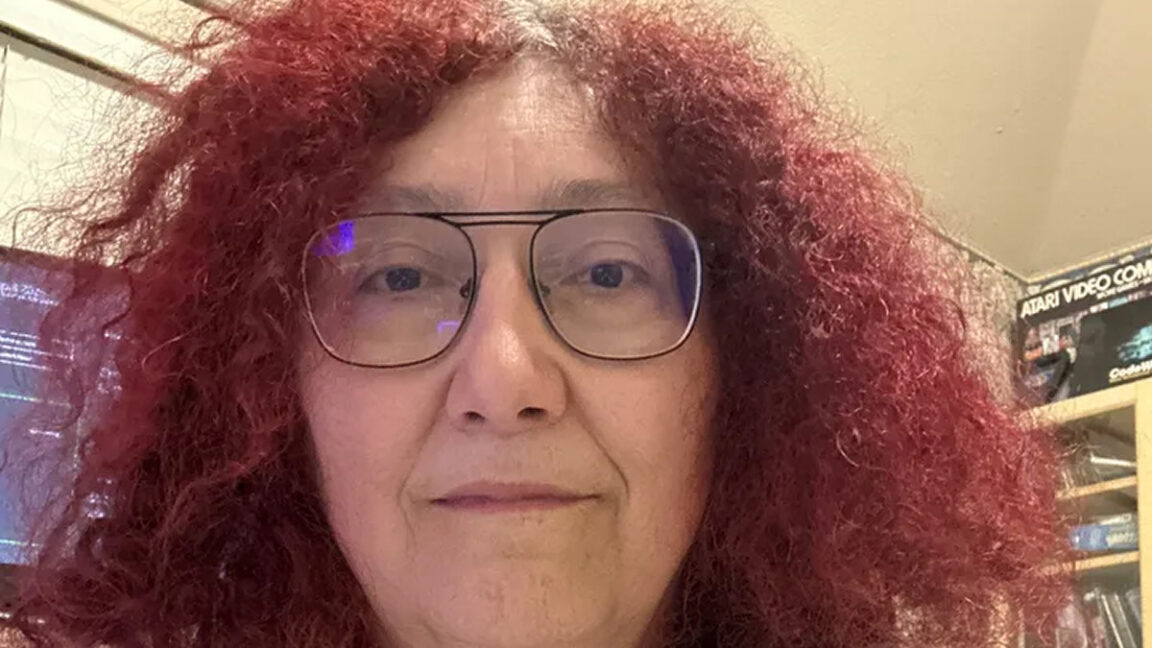
Gaming World Mourns the Loss of Rebecca Heineman, Trailblazing Developer and LGBTQ+ Advocate
The gaming community is reeling this week from the news of Rebecca Heineman's passing. Known affectionately as "Burger Becky" to many, Heineman died at the age of 62 after a battle with adenocarcinoma. But her legacy, both in the world of game development and as a passionate advocate for LGBTQ+ rights, will undoubtedly live on.
Gaming World Mourns Loss of Visionary Rebecca Hein...
For those who don’t know, Heineman's story is pretty incredible. She burst onto the scene in 1980, winning the national Atari 2600 Space Invaders championship. Think about that – she was just 16 years old! That victory launched an incredible career spanning over four decades and a whopping 67 credited games.
She wasn't just a player, though
She wasn't just a player, though. Heineman was a true pioneer. After cutting her teeth at Interplay, a company she co-founded, she went on to found Logicware and later Contraband Entertainment. At Contraband, she spearheaded development on *Myth III: The Wolf Age* and oversaw the porting of iconic titles like *Baldur’s Gate II* and *Heroes of Might and Magic IV*.
One story that really cemented her legendary status (and showcased her sheer talent) was her work on the 3DO port of *Doom*. Under immense pressure and a tight deadline, she single-handedly coded the port in a matter of weeks! It’s a testament to her skill and dedication, and she later shared the full, often harrowing, details of that experience on GitHub and in various interviews. I remember reading that story years ago and just being blown away.
But Heineman's impact extended far beyond her technical prowess. In 2003, she publicly came out as transgender and became a powerful voice for LGBTQ+ representation within the gaming industry. She served on the board of directors for GLAAD and was rightfully honored earlier this year with the Gayming Icon Award from Gayming Magazine.
Andrew Borman, director of digital preservation
Andrew Borman, director of digital preservation at The Strong National Museum of Play, put it perfectly when he told Ars Technica that Heineman's influence transcended electronic entertainment. "Her legacy goes beyond her groundbreaking work in video games," he said. "She was a fierce advocate for LGBTQ rights and an inspiration to people around the world, including myself."
In the Netflix documentary series *High Score*, Heineman eloquently explained her early connection to video games: "It allowed me to be myself," she said. "It allowed me to play as female." That quote really resonated with me; it highlighted how games can be a haven for those seeking acceptance and self-expression.
Diagnosed with cancer earlier this year, Heineman bravely faced her illness with the same tenacity she brought to her career. A GoFundMe campaign launched to help with medical expenses quickly surpassed its goal, demonstrating the deep respect and affection the gaming community held for her.
In her final update to the
In her final update to the fundraiser, Heineman wrote, "It’s time... please donate so my kids can create a funeral worthy of my keyboard, Pixelbreaker! So I can make a worthy entrance for reuniting with my one true love, Jennell Jaquays." Jaquays, herself a celebrated game designer and artist, passed away in January 2024.
"Rebecca Heineman loved living in a world that had video games to make and code to port, but she hated a world with all that but no Jennell," is a sentiment that echoes through the gaming world today. She will be deeply missed.
Comments
Please sign in with Google to post a comment
No comments yet. Be the first to comment!