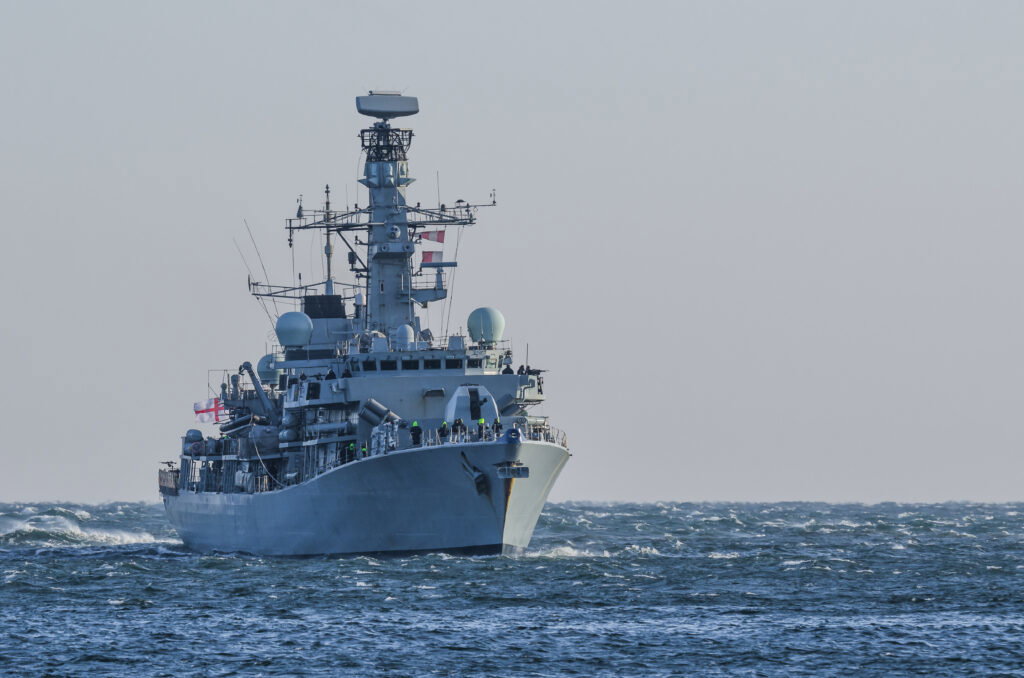
Tensions in the English Channel remain high as the Royal Navy confirmed it shadowed a pair of Russian warships recently. The corvette Stoikiy and the fleet support vessel Yelnya were carefully monitored as they transited through the vital waterway, a key route connecting the North Sea to the Atlantic. The UK Ministry of Defence, in a statement, characterized the operation as part of routine maritime security measures, but you know, routine doesn't always mean relaxed when it comes to Russian naval activity.
Russian Warships Approaching UK?! Navy Scrambles! ...
HMS Severn, a River-class offshore patrol vessel, took the lead in keeping a close eye on the Russian ships as they passed through the Dover Strait. I've seen these patrol vessels in action before, and while they might not be the biggest warships in the fleet, they're certainly nimble and well-equipped for this kind of monitoring.
But that's not all. Adding another layer of complexity to the situation, Defence Secretary John Healey revealed a concerning incident from November 19th. Apparently, the Russian intelligence vessel Yantar directed lasers at RAF pilots who were conducting surveillance. Healey condemned this act as "deeply dangerous," and frankly, it's hard to argue with that assessment. Shining lasers at pilots is no joke and could have disastrous consequences.
In response to the laser incident, HMS Somerset was dispatched to monitor the Yantar, while three RAF Poseidon aircraft stationed at Keflavik Air Base in Iceland patrolled the North Atlantic and Arctic as part of NATO's collective defense. It's a clear signal that the UK and its allies are taking these provocations seriously.
Healey further stated that the UK has updated its rules of engagement to allow for closer observation and has even developed "military options" should the Yantar approach sensitive undersea cable infrastructure. That's a pretty strong indication that the UK is prepared to take further action if necessary to protect its critical infrastructure.
This incident seems to be part of a growing trend. The Ministry of Defence reports a roughly 30% increase in Russian vessels operating near UK waters over the past two years. Thirty percent! That's a significant jump and definitely raises concerns about Russia's intentions in the region.
Analysts are emphasizing that these joint monitoring efforts, alongside NATO allies, are crucial for maintaining both immediate maritime security and long-term stability in European waters. The current climate is definitely one where naval posturing and intelligence operations have become increasingly common. While the Russian vessels operated within international law, the UK's strategy emphasizes both vigilance and restraint. It's a delicate balancing act, but one that's vital for safeguarding national security.
Comments
Please sign in with Google to post a comment
No comments yet. Be the first to comment!