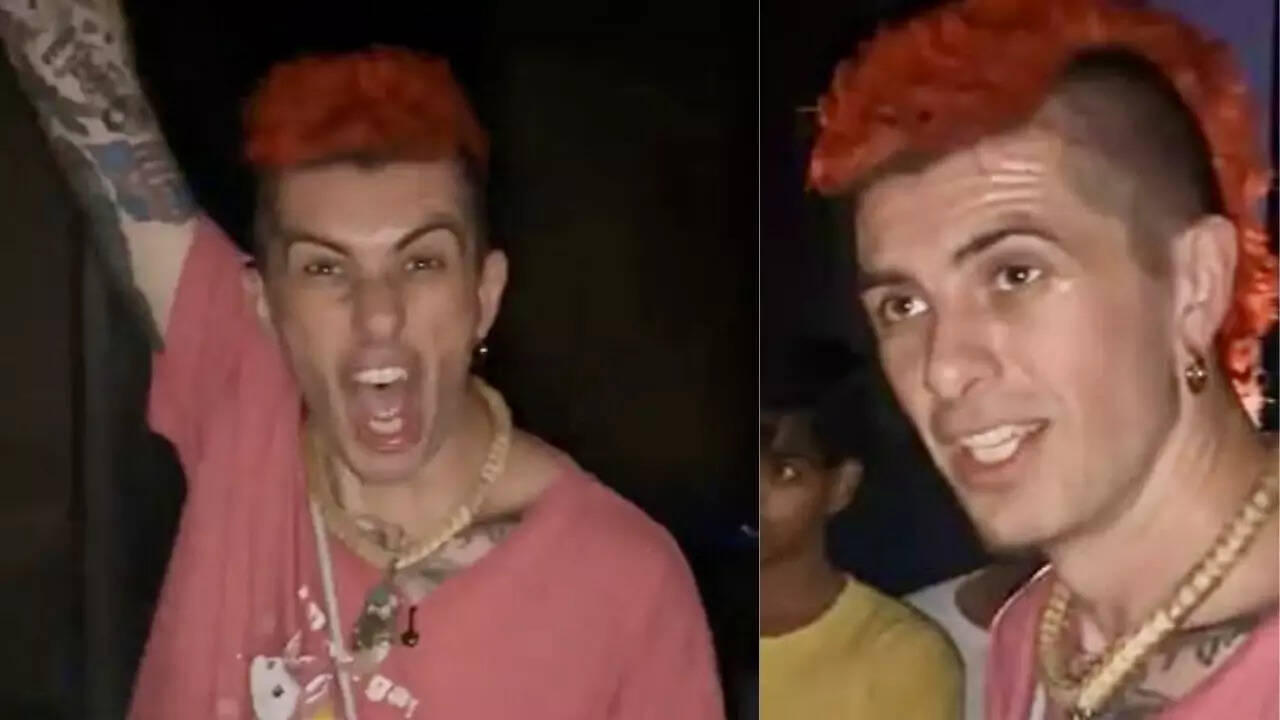
Sam Pepper, a name some might remember from earlier controversies, is once again in the headlines, and this time it's not pretty. The London-born streamer has been permanently banned from Kick, a streaming platform, after a firework incident during a Diwali livestream in New Delhi resulted in a young girl being injured. It's a stark reminder that online actions can have very real-world consequences, and the internet is definitely not letting Pepper off the hook.
Sam Pepper BANNED! India Stunt Ignites Fury - What...
The incident, which occurred on October 20th, involved a stray rocket that struck a girl near her eye while Pepper was livestreaming the Diwali celebrations. The clip quickly went viral, igniting a firestorm of criticism and ultimately leading to Kick's decision to permanently ban him. The platform cited safety concerns as the primary reason for the ban, and frankly, it's hard to argue with that. While fireworks are a beautiful part of Diwali, they also pose inherent risks, and livestreaming amplified those risks exponentially.
According to reports, Pepper has since apologized and claims to have covered the girl's medical expenses. While that's certainly a responsible step, it hasn't quelled the outrage online. Many argue that the damage is already done and that his actions were reckless and irresponsible, regardless of his post-incident apologies. It begs the question: when does an apology truly make amends for preventable harm, especially when it's broadcast to a global audience?
This whole situation raises a much broader discussion about safety regulations and accountability for livestreamers. With the rise of platforms like Kick and Twitch, where content creators can broadcast almost anything in real-time, the potential for harm is ever-present. Who is responsible when things go wrong? Should platforms be more proactive in policing dangerous stunts, or is it ultimately up to the streamer to ensure the safety of themselves and those around them? It's a tricky question, and there are no easy answers.
Pepper's case isn't just about one streamer's bad decision; it's about the ethical responsibilities that come with having a large online audience. When you have the power to influence and potentially endanger others, you also have a responsibility to act with caution and good judgment. This incident should serve as a wake-up call for streamers and platforms alike. The Wild West days of unregulated livestreaming need to come to an end, and a more responsible and safety-conscious approach needs to be adopted before something even more tragic happens. It's a lesson learned the hard way, and hopefully, one that will prevent future incidents.
Comments
Please sign in with Google to post a comment
No comments yet. Be the first to comment!