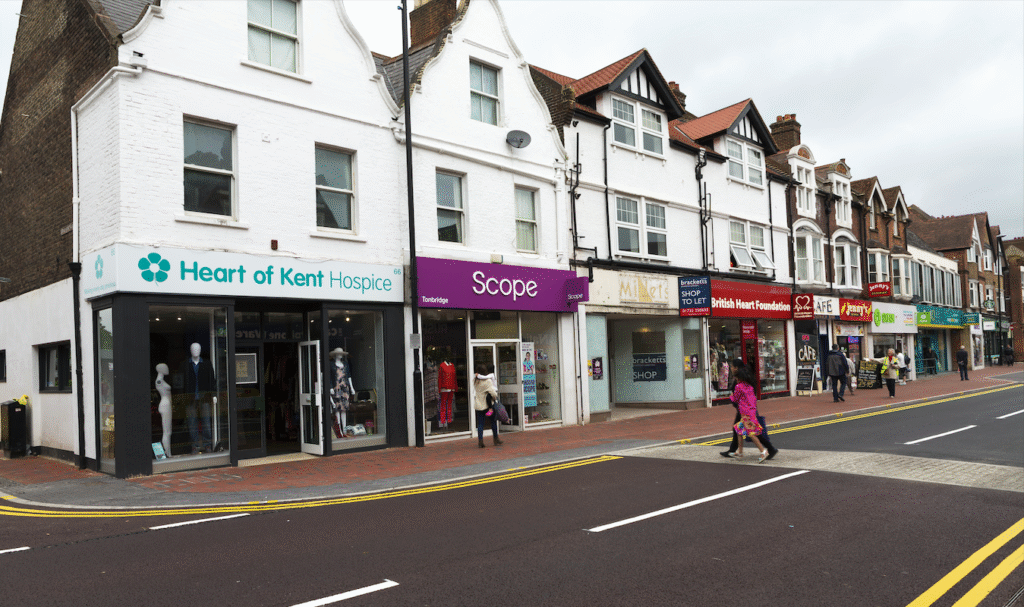
Charity shops: a dime a dozen in the UK, practically part of the national identity. You see them everywhere, tucked away on high streets, bustling with bargain hunters and volunteers sorting through mountains of donated goods. They’re just… normal. But over here in Spain, well, that’s a different story.
Spain's Charity Shop Boom: What's Driving This Sho...
In Spain, charity shops are still something of a novelty. They're often the passion projects of expats, trying to recreate that familiar British model in their adopted communities. Think coastal towns, places where you hear more English than Spanish some days. These shops aren’t just places to buy a used jumper; they’re little cultural embassies, introducing locals to the idea of thrifting for a cause. I've popped into a few myself, and it's always a fascinating mix of donated British books, quirky homeware, and friendly faces.
For Spanish shoppers, these shops offer a peek into a different kind of giving. Buying that second-hand dress or that vintage teacup directly helps someone in need. But despite their growing presence, it’s still niche. Most Spanish towns simply don't have readily available charity shops for the average shopper. It's not part of the shopping landscape like it is back in the UK.
The numbers tell the story. A Humana report from 2025 estimates around 800 second-hand or charity-style shops across Spain. Compare that to the UK and Ireland, where you're looking at over 10,000. That's a massive difference and really highlights why charity shopping hasn't quite taken off here yet.
So, what’s holding Spain back? Well, opening any kind of shop here involves wading through a sea of paperwork. Charities need to register, navigate taxes, secure permits… it's enough to make anyone’s head spin! And for smaller organizations, without the resources or know-how, it can be a deal-breaker. I've heard firsthand accounts of people giving up on the idea before they even get started, simply because the bureaucracy is too overwhelming.
But there's hope. We can learn from those expat-run shops that have already paved the way. Documenting their processes, sharing their knowledge – it could help streamline the legal and administrative hurdles for others. And we need to change the perception around second-hand shopping. Public awareness campaigns could show people that it’s not just about saving money; it's about being socially responsible, environmentally conscious, and giving back to the community.
If more people take the plunge, charity shops could really flourish here. Imagine them popping up in towns and cities across Spain, supporting all sorts of worthy causes while promoting sustainability and community engagement. And with the rising interest in sustainability, affordability, and helping others, now seems like the perfect time for Spanish residents to embrace the charity shop model.
Partnerships could be key. Imagine schools, local councils, cultural centers all working together to dismantle those administrative hurdles and inspire more people to open shops. That's how we can create a lasting, positive impact on communities across Spain. I, for one, would love to see it happen!
Comments
Please sign in with Google to post a comment
No comments yet. Be the first to comment!