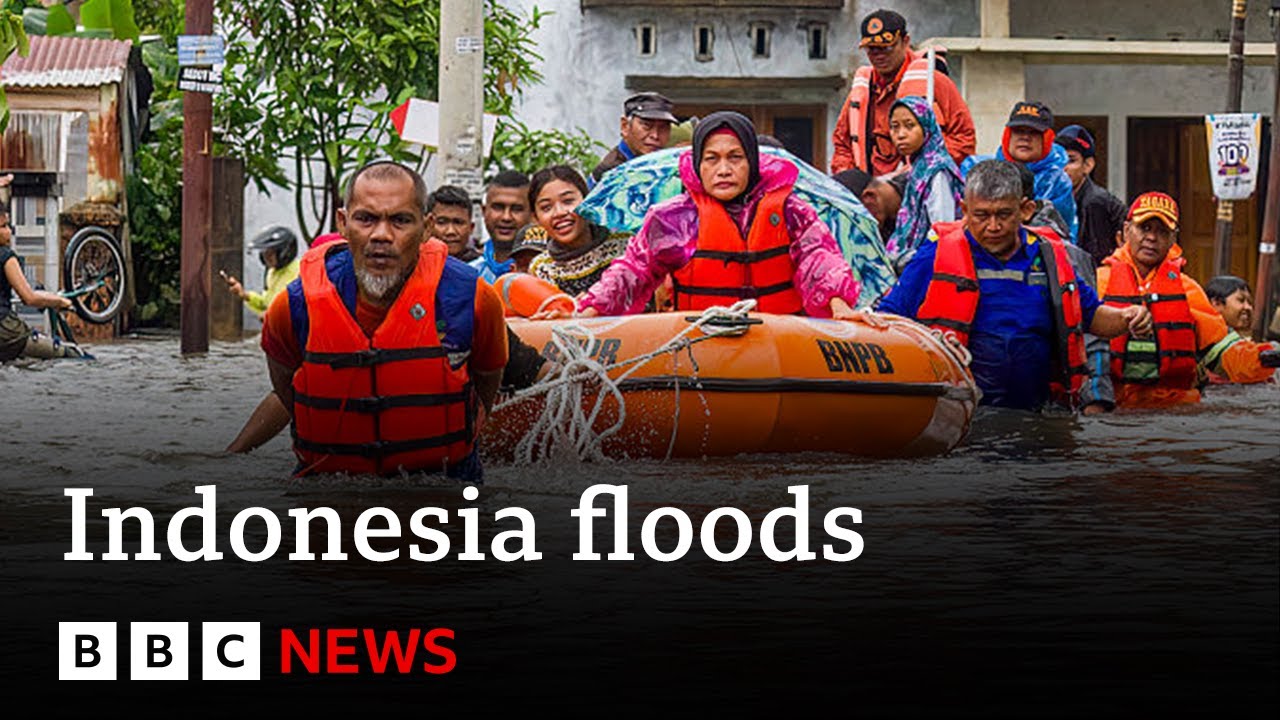
The news coming out of Indonesia is just heartbreaking. According to BBC News reports, devastating floods have tragically taken the lives of at least 90 people. The images and video coming in paint a grim picture of widespread destruction and communities completely overwhelmed by the force of nature. This isn't just a number; these are lives lost, families shattered, and futures washed away.
Indonesia Flood: 90 Dead! Is This Just the Beginni...
While the BBC report likely focuses on the immediate aftermath – the rescue efforts, the search for survivors, and the desperate need for shelter and supplies – it’s critical to remember that the impact of such a catastrophe stretches far beyond the initial crisis. Think about it: homes destroyed, livelihoods ruined, and the psychological trauma that will linger for years to come. These communities face a long and arduous road to recovery.
We often see these kinds of events reported from afar, but it's essential to try and grasp the sheer magnitude of what's happening on the ground. Beyond the immediate death toll, there's the risk of disease outbreaks in the floodwaters, the challenge of providing clean drinking water and sanitation, and the immense logistical effort involved in distributing aid to those who need it most. It’s a complex web of interconnected challenges.
Indonesia, unfortunately, is no stranger to natural disasters, sitting as it does within the Ring of Fire. This geological reality makes the country particularly vulnerable to earthquakes, volcanic eruptions, and, of course, floods. However, understanding this vulnerability doesn't lessen the shock and grief when tragedy strikes. It does, however, underline the urgent need for robust disaster preparedness and mitigation strategies. Things like improved early warning systems, better infrastructure, and community-based preparedness programs are absolutely essential.
Right now, the focus must be on providing immediate relief to those affected. But looking ahead, it’s clear that a concerted effort is needed to help these communities rebuild their lives and become more resilient to future disasters. This means not only providing financial assistance, but also investing in sustainable development, promoting climate change adaptation measures, and empowering local communities to take ownership of their own recovery. It's a long-term commitment, and it requires the support of the international community. Hopefully, the BBC’s reporting will help to shine a light on the situation and spur action.
Comments
Please sign in with Google to post a comment
No comments yet. Be the first to comment!