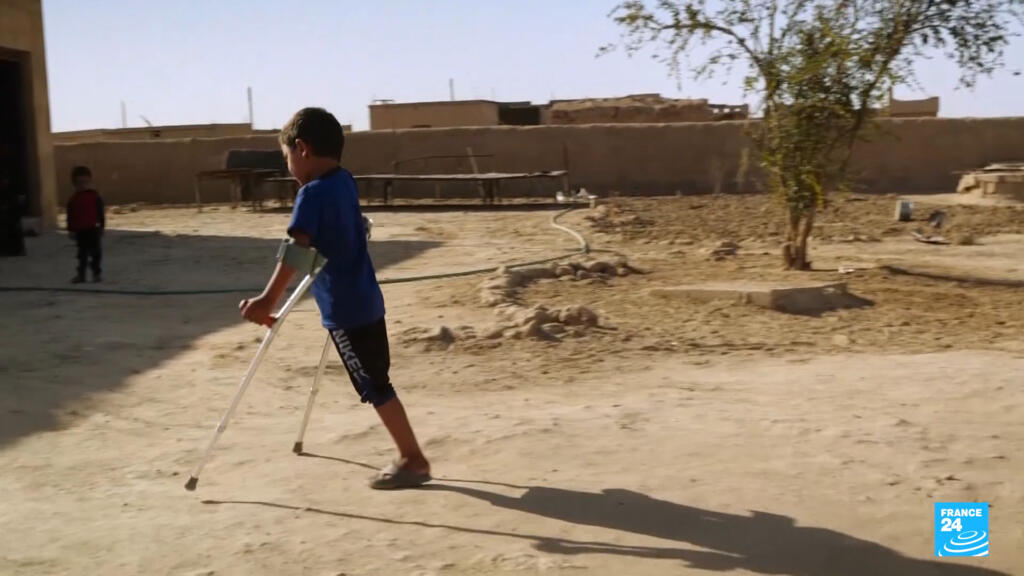
The dust is settling, literally and figuratively, along the war-torn Syrian-Iraqi border, but beneath that dust lies a deadly legacy: landmines. Following the December 2024 collapse of the Syrian regime, a wave of hope, however fragile, has spurred displaced families to return to their ancestral villages. But this return is fraught with peril, transforming the landscape into a minefield, both real and metaphorical.
Syria-Iraq Border: Deadly Landmines Force Risky Re...
Handicap International, an NGO dedicated to assisting victims of armed conflict, paints a grim picture. Their recent reports detail a disturbing surge in casualties from landmines and unexploded ordnance. I remember covering similar stories back in the Balkans; the land remembers the war long after the soldiers are gone. In Syria, the statistics are stark: a staggering 725 incidents documented, leaving almost 1,400 victims reeling from injury or worse. Think about that for a moment: nearly 1,400 lives irrevocably changed, families torn apart, all because of these insidious remnants of war.
And the numbers are escalating. Compared to 933 casualties in 2023, this year's figures already represent a significant, and terrifying, increase. The primary driver? The return of civilians to areas previously under the control of Assad's forces, now liberated but littered with deadly booby traps. Imagine returning home after years of exile, only to be greeted by the silent threat lurking beneath your feet.
What's particularly heartbreaking is the vulnerability of children. Curiosity and the need to play often lead them to these hidden dangers. While specific demographics aren't detailed in this initial report, experience tells us that kids are disproportionately affected in these situations. It’s a tragic irony: these families are returning in search of a future, only to be confronted by the ghosts of the past, threatening to steal that future away.
The challenge now is immense. Clearing these areas of landmines is a slow, painstaking, and incredibly dangerous process. Furthermore, educating the returning population about the risks, teaching them to identify potential threats, and providing support to victims are critical steps. Without a concerted effort from international organizations and the newly formed government, these liberated villages could become permanent cemeteries, a somber testament to the enduring consequences of conflict. The hope for a new beginning in Syria hinges, in part, on the ability to safely navigate this deadly landscape.
Comments
Please sign in with Google to post a comment
No comments yet. Be the first to comment!