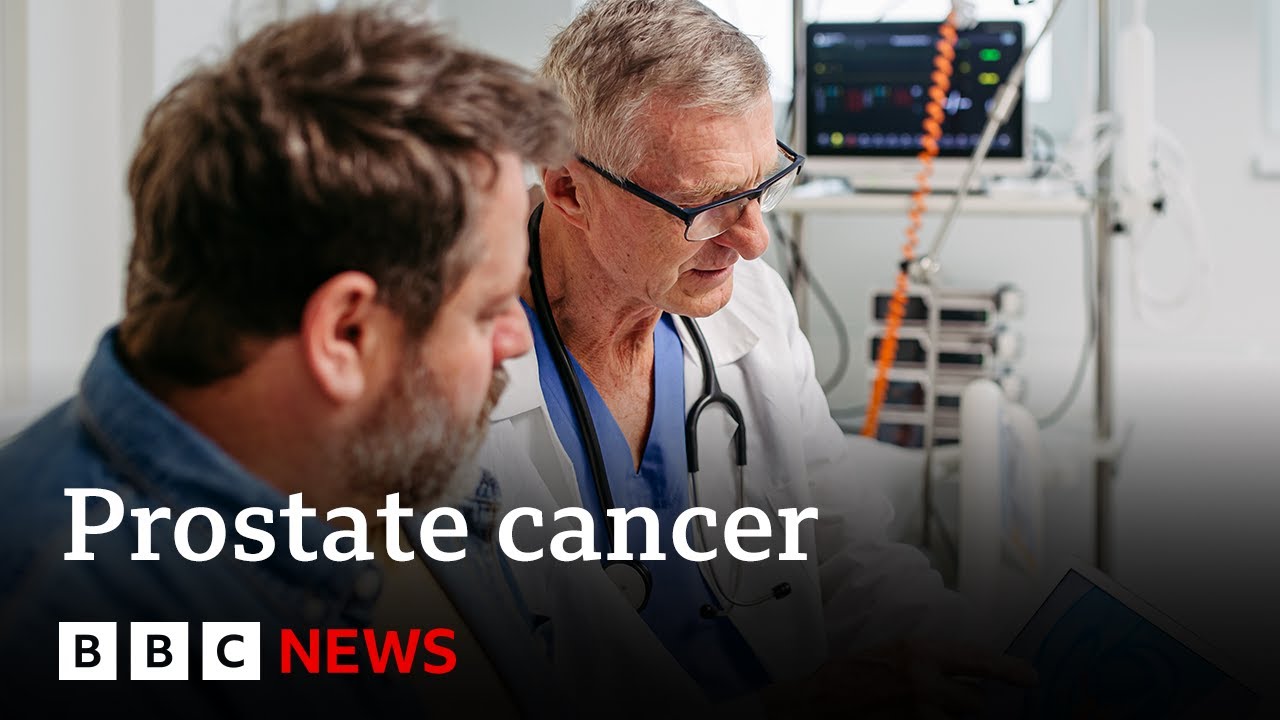
Alright, let's talk prostate cancer screening. Seems like the UK government has just gotten some pretty strong advice from an expert committee: hold off on the mass screening programs for now. The BBC News report really dives into why, and it's a bit more nuanced than you might think at first glance. We're talking about public health policy here, and decisions like these have a ripple effect across the entire country.
Prostate Cancer Screening: UK Experts Issue Shocki...
Now, you might be wondering, "Why wouldn't you screen everyone?" It sounds like a no-brainer, right? More screening equals earlier detection, equals better outcomes. Well, it's not always that simple. The BBC report hints at the potential for "overdiagnosis," which is a really important concept to grasp. Basically, it means finding cancers that are slow-growing and might never actually cause a problem in a man's lifetime. Treating those cancers, though, comes with its own set of risks and side effects – surgery, radiation, hormone therapy, you name it. All that treatment, for a cancer that might have just sat there quietly.
It’s a delicate balance. On one hand, you want to catch aggressive cancers early when treatment is most effective. On the other, you want to avoid unnecessary interventions and the potential harm they can cause. The expert committee, based on the BBC's reporting, clearly feels the potential for overdiagnosis and overtreatment outweighs the benefits of mass screening at this point in time. I remember a conversation I had with a urologist years ago who expressed similar concerns; he was worried about the anxiety and potential complications caused by aggressive treatment for low-risk tumors.
So, what are the alternatives? The BBC report touches on this, and it likely involves a more targeted approach. Think risk-based screening, where men with a family history of prostate cancer or other risk factors might be offered screening at a younger age. Also, focusing on improving diagnostic accuracy to better distinguish between aggressive and indolent cancers is key. This might include more advanced imaging techniques or biomarkers. It's about getting smarter about who we screen and how we screen them, rather than just casting a wide net.
Ultimately, this decision from the expert committee highlights the ongoing debate surrounding prostate cancer screening. It's not a black-and-white issue, and it requires a careful consideration of the potential benefits and harms. The UK's decision will undoubtedly influence similar discussions in other countries, and it underscores the need for continued research and refinement of prostate cancer detection and management strategies. It's a tough call, but informed decision-making is always the best approach, even when the news isn't what we initially expect.
Comments
Please sign in with Google to post a comment
No comments yet. Be the first to comment!