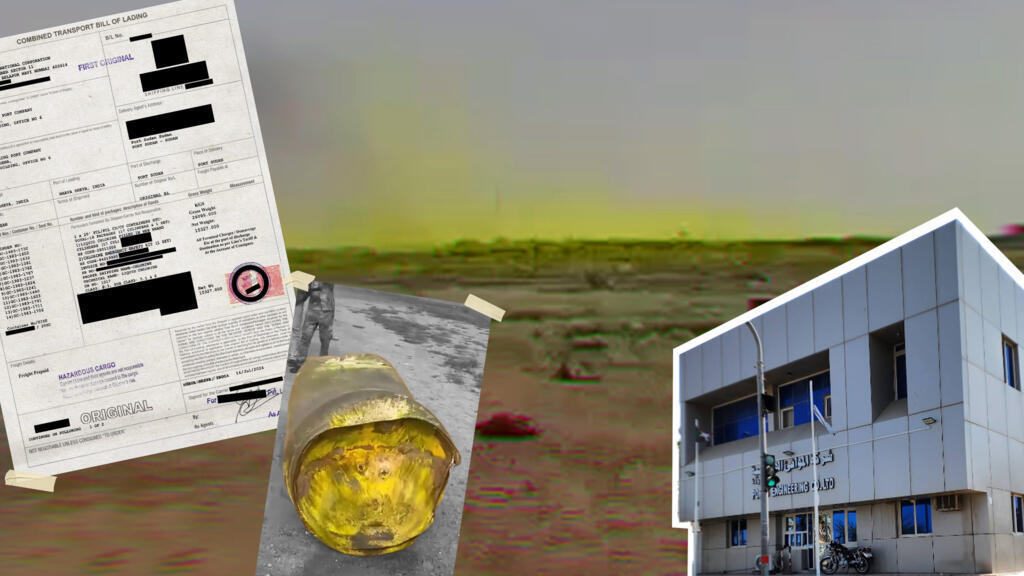
The world is a complicated place, and sometimes, the very things designed to keep us safe can be twisted into weapons of terror. A recent FRANCE 24 Observers investigation has uncovered a deeply disturbing case of just that happening in Sudan, shedding light on how chlorine, imported for the seemingly benign purpose of water purification, ended up being deployed as a chemical weapon.
Sudan's Water Turned Weapon?! Shocking Poison Gas ...
The investigation, meticulously piecing together evidence, points to a horrifying incident near a Sudanese oil refinery in September 2024. Witnesses reported the use of chlorine gas, released from barrels, causing widespread panic and, undoubtedly, terrible suffering. The natural question, of course, is: how did a substance meant to cleanse and protect become an instrument of such devastation?
The answer, as the FRANCE 24 report suggests, lies in the murky world of international trade and the potential for exploitation. The chlorine gas, it seems, was traced back to a local firm called Ports Engineering Company. This is where the story takes a particularly dark turn. Ports Engineering Company, according to the investigation, has known ties to the Sudanese military. It makes you wonder about oversight, or the lack thereof, and how easily such a critical loophole could be exploited.
What makes this even more chilling is the apparent guise under which the chlorine was imported. Ports Engineering Company reportedly claimed the containers were destined for potable water production – a legitimate and necessary use in any country, especially one facing water scarcity. It's a perfect smokescreen, really. Who would suspect something so vital could be perverted in such a way? This deceptive maneuver allowed them to acquire the chlorine, seemingly under the radar, for what turned out to be a far more sinister purpose.
The implications of this discovery are far-reaching. It raises serious questions about the security protocols surrounding the import of potentially hazardous materials, not just in Sudan, but globally. Are the regulations stringent enough? Are the checks and balances sufficient to prevent such diversions from happening again? This case serves as a stark reminder that vigilance is paramount, and that the misuse of seemingly harmless substances can have devastating consequences. It also highlights the critical role investigative journalism plays in exposing these hidden realities, holding those responsible accountable, and hopefully, preventing future tragedies.
Comments
Please sign in with Google to post a comment
No comments yet. Be the first to comment!